Pakistan's Petroleum Levy Debate: Rs 4.4 Trillion Collected In Four Years
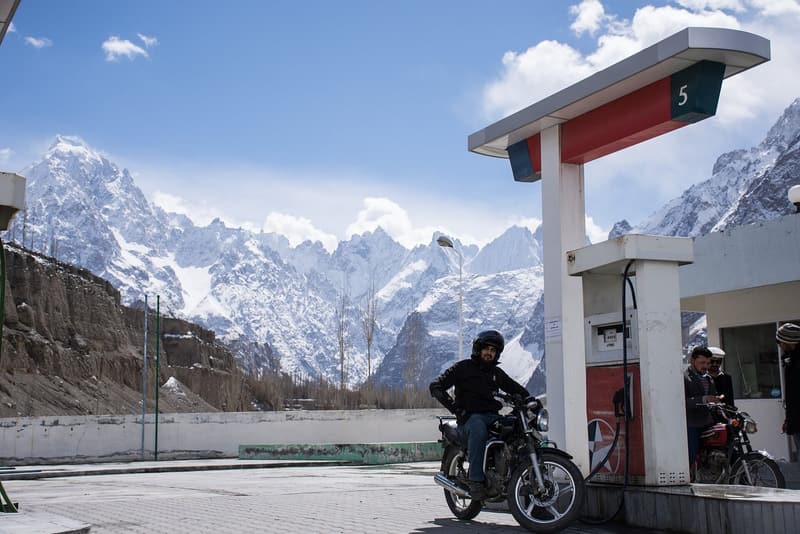
Representative photo · Photo: Zindagi-zoq-e-Safar / Wikimedia Commons, CC BY-SA 4.0
A recent report reveals that the Pakistan government has accumulated Rs 4.4 trillion through petroleum levies over the last four years, amid ongoing scrutiny regarding its economic policies.
Recent reports highlight that the Pakistan government has successfully collected Rs 4.4 trillion in revenue through petroleum levies over a four-year period. This significant fiscal accumulation has drawn attention to the administration's reliance on fuel-based taxation, particularly as citizens continue to monitor the Pakistan petroleum price for its direct impact on daily living costs. The collection figures have sparked a broader discussion about the government's fiscal strategy and its transparency in managing national revenue streams.
Scrutinizing the Pakistan petroleum price
The accumulation of these funds comes at a time when the administration is facing intense criticism regarding its economic management. Observers note that the government frequently cites its commitments to the International Monetary Fund (IMF) as a primary justification for implementing unpopular economic decisions, including the adjustment of fuel rates. While the government maintains that these measures are essential to stabilize the economy and meet international obligations, critics argue that the burden is disproportionately placed on the public through high levies.
The Pakistan government has generated Rs 4.4 trillion in revenue from petroleum levies over four years.
Economic analysts suggest that the reliance on such levies provides the state with a consistent cash flow, but it also creates inflationary pressure across the economy. As the cost of fuel directly influences the price of transport and essential commodities, the public remains sensitive to any fluctuations in the Pakistan petroleum rate. The debate over whether these funds are being utilized effectively to provide relief or merely to bridge fiscal deficits continues to dominate the national discourse.
Why it matters
The ongoing collection of trillions in petroleum levies signifies a heavy reliance on indirect taxation, which directly affects the purchasing power of the average citizen. This fiscal approach impacts the broader economic stability of South Asia, as regional trade and inflationary trends are often interconnected.
For observers in India and the wider South Asian region, this trend underscores the challenges of balancing IMF-mandated austerity measures with the need to maintain social stability. The situation highlights how fuel-based fiscal policies can become a point of contention between the state and its populace.
Sources
More like this

US inflation rose 0.4% in October as gas costs dipped

Essential goods sales rise following Be Ready emergency campaign

David Jones Finances Reviewed Months Before Administration