US inflation rose 0.4% in October as gas costs dipped
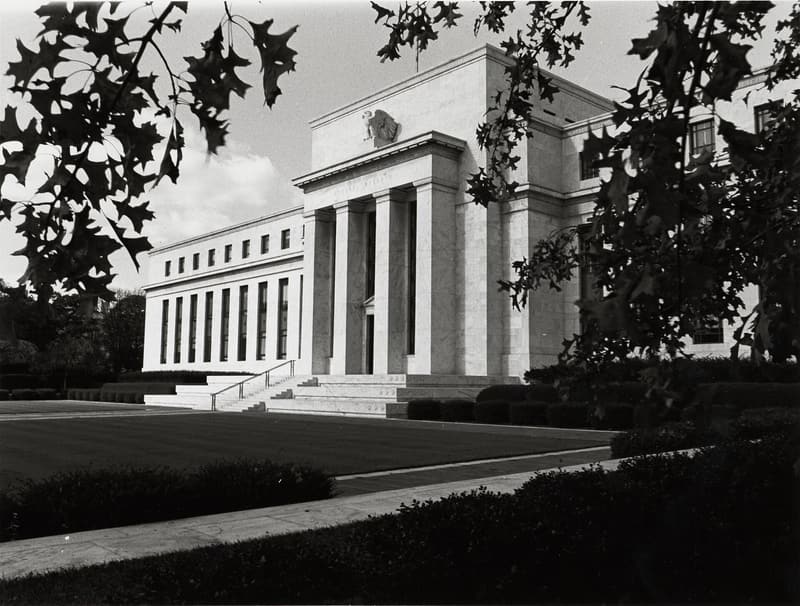
Representative photo · Photo: Federalreserve / Wikimedia Commons, Public domain
Consumer prices in the United States increased by 0.4% from September to October as gasoline costs fell, according to recent government data.
Consumer prices in the United States increased recently, showing that inflation rose 0.4% from September to October as price hikes moderated and fuel costs declined. The Bureau of Labor Statistics published the consumer price index data, though the usual year-over-year figure was omitted because information was not collected during the government shutdown in October 2025. Energy expenses resulting from the Iran conflict have driven inflation above an annualized 3% since late February, reaching 4.2% in May before fluctuating between 3.4% and 3.7%.
Energy costs continued climbing slightly in October, though the pace slowed compared to September when the monthly change reached 0.6%. Gasoline prices dropped from an average of $4.41 per gallon at the start of October to $4.22 by the end of the month, according to AAA. Despite this cooldown, prices remain significantly higher than the previous year, while diesel costs remain elevated compared to past figures.
Energy costs drove inflation above 3% while gas prices experienced a slight October cooldown.
Economic outlook and interest rates
The Federal Reserve raised interest rates in September for the first time since 2023 and anticipated another hike in December. Central bank chair Kevin Warsh noted the institution remains focused on ensuring relative price shifts do not spread broadly across the economy. Labor market growth exceeded expectations in October while the unemployment rate remained stable slightly above 4%, providing room for further rate adjustments.
Consumer sentiment experienced a slight increase at the end of October as gasoline prices eased, according to the University of Michigan Survey of Consumers. Meanwhile, the stock market dipped as investors expressed caution regarding AI spending growth, resulting in differing sentiment trends across various wealth brackets.
Why it matters
This economic data arrives following midterm elections that will grant Democrats control of Congress, widely interpreted as voter backlash against high expenses. Political figures noted that public frustration surrounding elevated gas prices contributed significantly to party losses during the election cycle.
Sources
More like this
Essential goods sales rise following Be Ready emergency campaign

David Jones Finances Reviewed Months Before Administration
Kim Kardashian's Skims Offers Refunds for Advent Calendar