Essential goods sales rise following Be Ready emergency campaign
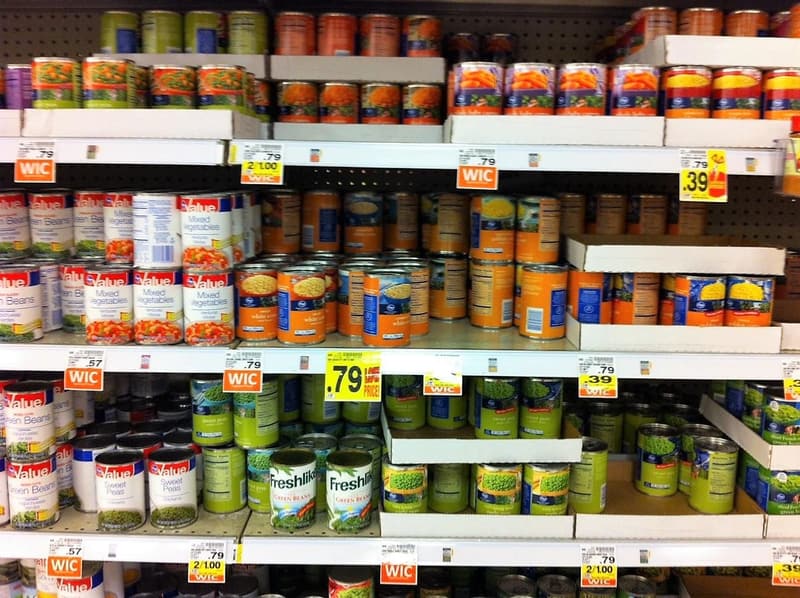
Representative photo · Photo: ParentingPatch / Wikimedia Commons, CC BY-SA 3.0
Data shows a surge in purchases of bottled water, canned food, and sanitiser after the government advised citizens to stock up for potential emergencies.
Retail figures indicate that consumers have begun increasing their household stocks of essential supplies following the launch of the government's "Be Ready" emergency preparedness campaign on 22 October. The initiative, which advises households to maintain a three-day supply of food and water, aims to help citizens navigate potential service disruptions caused by cyberattacks or severe weather events. While many are looking for sale ready solutions to manage their household budgets, the data suggests that shoppers are responding to official guidance by gradually adding recommended items to their weekly shopping lists.
Research from Worldpanel by Numerator shows significant growth in key categories during the 10 days after the campaign began. Sales of hand sanitiser increased by 83%, while bottled water saw a 67% rise. Tinned and jarred goods, including vegetables, meat, and tuna, experienced a 37% climb in demand. Food manufacturer Princes noted a similar trend, with interim chief executive Giuseppe Mastrolia stating that the increased demand highlights the importance of affordable and convenient food solutions during uncertain times.
Government emergency preparedness advice has led to a measurable increase in household stockpiling of essential goods.
Understanding the sale ready trend
Despite the sharp rise in sales, analysts emphasise that the behavior does not constitute panic buying. Fraser McKevitt, head of retail and consumer insight at Worldpanel by Numerator, pointed out that less than a third of households purchased bottled water during October. Instead of clearing shelves, shoppers are simply incorporating the government’s checklist items into their regular shopping trips. This is evidenced by the fact that while 400,000 more people per day were buying tinned meat, the average purchase quantity remained steady at 500g.
Prime Minister Andy Burnham has publicly advocated for this approach, urging citizens to keep necessary supplies at home to manage through potential moments of disruption. The campaign specifically highlights the need for non-perishable items that do not require refrigeration, such as dried fruit, nuts, and bottled water, to ensure families remain self-sufficient if essential services are impacted.
Why it matters
The government's campaign shifts the responsibility for basic emergency resilience onto individual households. By encouraging the maintenance of a three-day food and water supply, officials hope to reduce the strain on public services during crises. For consumers, this means adjusting weekly shopping habits to include long-life essentials, ensuring that families are prepared for unexpected disruptions to infrastructure or supply chains.
Sources
More like this

David Jones Finances Reviewed Months Before Administration

Kim Kardashian's Skims Offers Refunds for Advent Calendar
UK Consumers Increase Essential Goods Purchases Following Government Preparedness Advice