Paraguay Ueno Bank Collapse Highlights Role of Stablecoins in Financial Uncertainty
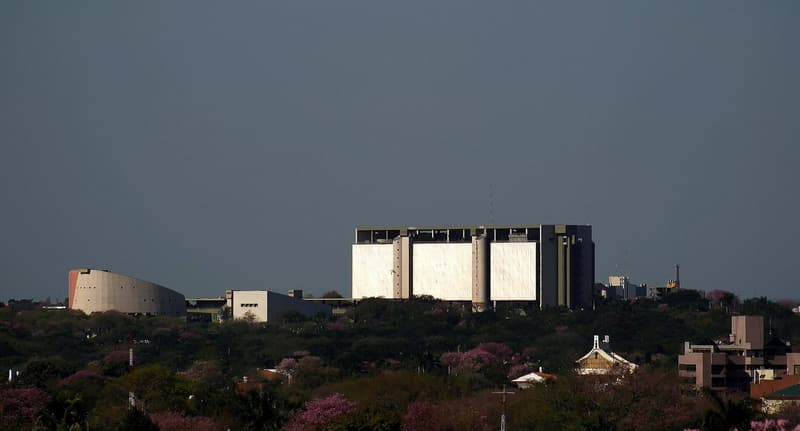
Representative photo · Photo: Cmasi / Wikimedia Commons, CC BY-SA 4.0
The collapse of Ueno Bank in Paraguay has left millions without account access, prompting many to turn to stablecoins as a liquidity alternative amid economic turmoil.
This is news, not investment advice. NexVani Media is not a SEBI-registered investment adviser and does not recommend buying or selling any security. Do your own research or consult a registered adviser before investing.
The recent Paraguay Ueno Bank collapse has sent shockwaves through the nation's financial system, leaving nearly three million customers—roughly 60% of the adult population—unable to access their funds. On November 3, the Central Bank of Paraguay placed the digital lender into resolution after discovering poor lending practices and significant accounting deficiencies that left the bank’s solvency ratio well below legal requirements.
Stablecoins provided essential liquidity for many Paraguayans when the Ueno Bank collapse restricted access to traditional accounts.
As the local guaraní currency depreciated by 12.3% in a single week, many citizens sought refuge in dollar-pegged stablecoins to preserve value and facilitate essential payments. David Eisenmann, CEO of the exchange X4T, noted that the intervention occurred during a critical period for payroll, rent, and supplier invoices, making USDt a vital tool for those unable to access their bank accounts. While the Central Bank reported that over 93% of deposits had been repaid by November 9, demand for stablecoins remains high as public confidence in the domestic banking sector falters.
The Shift to Digital Assets
Market data indicates that the demand for USDt and USDC has risen sharply, with some sellers in the peer-to-peer market charging premiums as high as 13%. Tether CEO Paolo Ardoino described the token as a lifeline for millions globally. However, analysts remain cautious about the long-term implications. Rhys Hicks, an analyst at GlobalData, pointed out that while some consumers are exploring alternatives, there is no evidence of a mass migration away from the traditional banking system, as other institutions have absorbed the affected customer base.
Historical precedents, such as Argentina’s 2001 financial crisis, show that seeking dollar-denominated assets during banking instability is a common reaction. Yet, experts warn that stablecoins are not immune to systemic risks. For instance, during the 2023 collapse of Silicon Valley Bank, USDC briefly lost its peg when reserves held at the lender became inaccessible. Furthermore, a Bank for International Settlements paper suggests that widespread adoption of these tokens could challenge the monetary sovereignty of emerging economies.
Why it matters
The collapse of Ueno Bank serves as a stark reminder of the risks associated with digital banking when governance fails to keep pace with rapid growth. For the average citizen, the event highlights the fragility of savings and the ongoing search for financial security during periods of political and economic instability. While stablecoins offer a temporary liquidity bridge, their reliance on the broader financial system means they are not a perfect hedge against institutional failure.
Sources
More like this
Bitcoin Holds $73,000 as Odds of December 50 bps Fed Rate Hike Increase

CoreWeave Stock Jumps 15% Premarket After Q3 Revenue Beats Estimates

Barclays Boosts BlackRock Bitcoin ETF Stake as Banks Expand Holdings