Pete Hegseth Visits Venezuela Following Maduro Capture
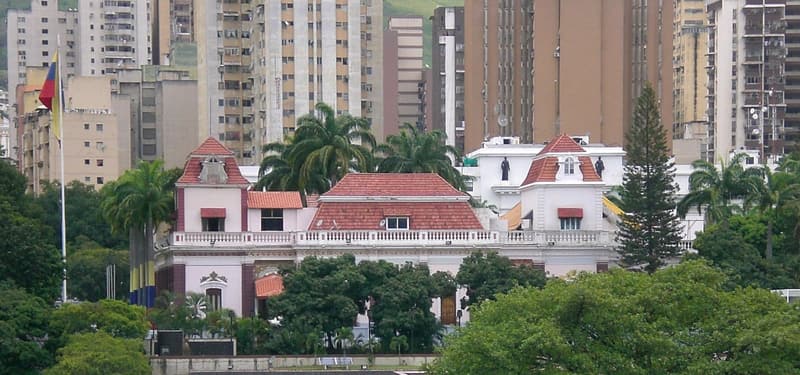
Representative photo · Photo: Guillermo Ramos Flamerich / Wikimedia Commons, CC BY-SA 3.0
US Defense Secretary Pete Hegseth visited Venezuela to discuss military cooperation, months after the Delta Force operation that led to the capture of former president Nicolás Maduro.
US Defense Secretary Pete Hegseth has conducted his first official visit to Venezuela since the January 3 operation that resulted in the abduction of former president Nicolás Maduro. Speaking in Caracas on Wednesday, Hegseth described the Delta Force mission as the most sophisticated military operation in Latin American history. The visit marks a significant shift in relations between Washington and the Chavista regime, which has remained in power since 1999 despite the recent leadership change.
Pete Hegseth Maduro visit marks shift in relations
During his visit to the Miraflores Palace, Hegseth met with acting president Delcy Rodríguez and senior cabinet members. The defense secretary, who previously bragged about the success of the invasion, adopted a more conciliatory tone regarding future ties. He stated that the United States is looking to unlock economic opportunities, particularly regarding Venezuela’s vast natural resources, and aims to strengthen defense cooperation between the two nations. Hegseth noted that Venezuela has transitioned from being a significant regional threat to a compliant security partner.
The US defense secretary visited Caracas to solidify a new military and economic partnership with Venezuela.
Acting president Delcy Rodríguez, who assumed power with the support of the Trump administration, emphasized the geopolitical maturity of both governments in her address. While she made no mention of the imprisoned former president, she highlighted the rapid reconciliation and the recent energy agreement with the United States. President Trump has described this oil deal as the largest in history, while Hegseth suggested it would significantly alter energy dynamics for the Western Hemisphere.
Critics, including journalist Luz Mely Reyes, have characterized the visit as an act of submission, suggesting it reinforces Washington’s direct administration of the country. Reyes noted that the presence of the architect of the January incursion serves as a message of discipline to the Venezuelan military high command. Despite these concerns, Hegseth reiterated his commitment to working with the current administration to stabilize the region and combat narco-terrorist groups operating within Venezuelan borders.
Why it matters
The visit signals a permanent shift in regional power dynamics, moving Venezuela from a US adversary to a strategic partner. This realignment impacts global energy markets and regional security, as the US seeks to solidify its influence in the Western Hemisphere through new defense and economic pacts.
Sources
More like this
Heated Debate Escalates Into On-Air Physical Altercation on Armenian TV
Shabana Mahmood backs ban on police marching in Pride events in uniform
EU to Reject UK Talks on Longer-Term Ties Pending Clarity from Burnham on Next Steps