Port of Los Angeles Hits Record October Cargo Volumes
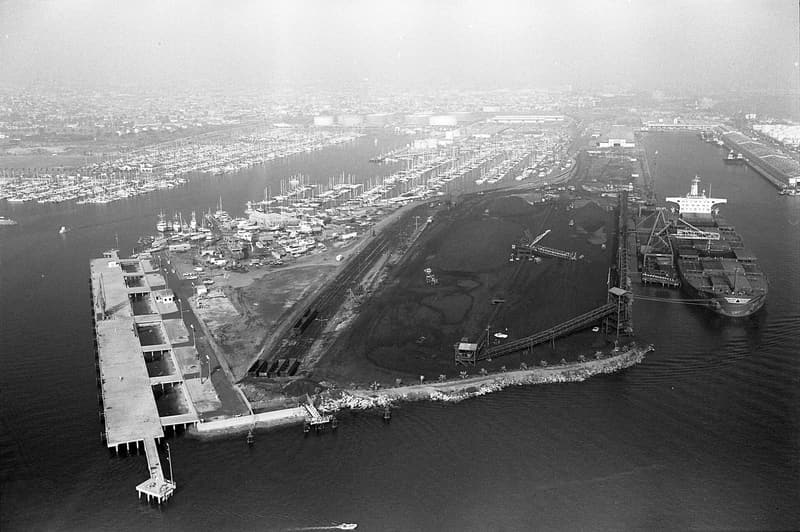
Representative photo · Photo: Harry Chase, Los Angeles Times / Wikimedia Commons, CC BY 4.0
The Port of Los Angeles processed over 1 million TEUs for the second consecutive month, marking its busiest October in history.
The Port of Los Angeles has achieved a significant milestone, reporting its busiest October on record as it surpassed the 1 million TEU threshold for the second month in a row. This performance represents the second-highest monthly volume ever for the nation’s primary container hub, following the all-time record set in September. As the industry tracks an October record, the port has now hit the million-TEU mark three times in 2026, a feat unmatched by any other U.S. facility.
The Port of Los Angeles handled over 1 million TEUs for two consecutive months, setting a new record.
Sustained Cargo Growth
Between June and October, the port processed nearly 5 million TEUs, marking the strongest five-month period in its history. Gene Seroka, the Port of Los Angeles Executive Director, noted that the consistent activity reflects the reliability and reach of the port’s supply chain. According to Seroka, the surge is driven by steady consumer demand, the ongoing replenishment of retail inventories, and shifts in global trade policies.
Data indicates a stark contrast in cargo types. Loaded imports reached approximately 538,620 TEUs in October, representing a 25% increase compared to the previous year and exceeding the five-year October average by 30%. Conversely, loaded exports saw a 7% decline from October 2025, totaling 114,981 TEUs. Additionally, the port handled 373,271 empty TEUs, setting a record for the second month as carriers repositioned containers toward Asia.
Operational Challenges
Despite the record-breaking throughput, the high volume of containers has created logistical bottlenecks. According to the monitor The Dwell, approximately 39.8% of import boxes are waiting nine or more days for an on-dock intermodal train, significantly higher than the standard four-day window. This dwell issue is more pronounced in Los Angeles than at the neighboring Port of Long Beach, where the rate is 30.2%. Most of these delayed containers are destined for BNSF rail lines.
Why it matters
The record figures highlight an uneven trade landscape, characterized by a sharp rise in imports alongside a decline in exports. This surge in volume affects retailers and manufacturers relying on the trans-Pacific supply chain, while the increased dwell times present ongoing challenges for logistics providers and rail operators. The sustained high volume underscores the complexities of managing global trade flows during periods of shifting consumer demand and inventory management.
Sources
More like this

Scott Bessent Criticizes Howard Lutnick Over Megaspeed Export Control Failures

UK’s Biggest Insurers Face Surge in Subsidence Claims Following Record Hot Summer
Anthropic IPO Faces Market Uncertainty Amid Concerns of an AI Bubble Bursting