Russian Extremist Group Denies Involvement in European Flight Bomb Threats
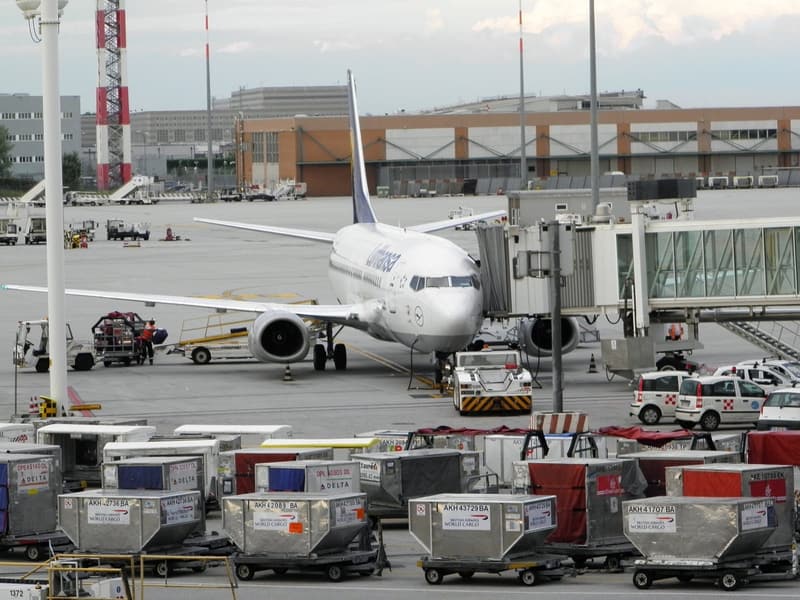
Representative photo · Photo: Threecharlie / Wikimedia Commons, CC BY-SA 3.0
The Male State has denied any connection to false bomb threats disrupting European air travel, as officials warn of a co-ordinated campaign to fuel tensions.
An extremist group based in Russia has strongly rejected accusations that it is responsible for a wave of false bomb warnings causing significant disruption to European aviation this week. The organization known as the Male State, which operates online and has previously been banned by Russian authorities, dismissed the claims when contacted by the media.
The denial follows a series of security scares affecting multiple airlines. Incidents include a Ryanair journey from Rome to Lisbon and a Wizz Air flight operating between Prague and Rome that required a diversion to Venice. Additionally, several prominent Irish media outlets received similar threats on Friday, triggering evacuations and drawing comments from the government regarding a potential coordinated campaign.
Responding through a Telegram channel linked to its founder Vladislav Pozdnyakov, the group mocked suggestions of its involvement. The channel questioned the existence of the organization in its past form and derided the inquiries. Originating from an address seemingly connected to health services in Colombia, the initial threat email was received by airport management and officials in Rome on Thursday. Written in fluent Italian, the message claimed explosives had been placed on incoming flights in protest against Italy. Consequently, fighter jets were scrambled, and a flight was diverted to France, though searches by authorities yielded no explosives across any of the affected planes.
While the Russian collective denies participation, local media reports in Italy have suggested the incident aligns with broader disruption tactics. Security ministers in the region have highlighted these occurrences as part of a wider hybrid threat landscape affecting infrastructure across Europe, ranging from cyber incidents to transport scares.
False bomb threats across Europe have disrupted flights, though no explosives have been found.
Why it matters
The ongoing wave of false security alerts directly impacts international air passengers, airport operations, and emergency response teams across multiple European nations. While flights have resumed after security checks, the incidents highlight ongoing vulnerabilities to hybrid disruptions and coordinated misinformation campaigns targeting public infrastructure.
Sources
More like this

Iranians Face Looming War Threat Amid Information Vacuum
Iran Steps Up Diplomacy Amid US Threats and Deepens Ties with Russia and UAE

Born and brought up under Houthi rule: Yemen's lost generation