Iran Steps Up Diplomacy Amid US Threats and Deepens Ties with Russia and UAE
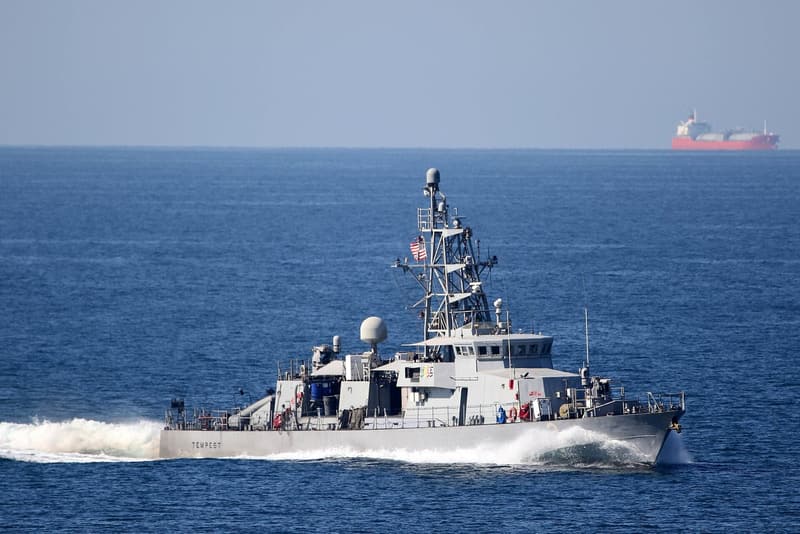
Representative photo · Photo: Official U.S. Navy Page from United Stat / Wikimedia Commons, Public domain
Iran is intensifying diplomatic efforts across the region and with Russia as it faces potential new US military strikes and maintains strict conditions for peace.
As tensions rise, Iran is engaging in a flurry of diplomatic activity while navigating complex Russia UAE news and broader regional shifts. Tehran is responding to suggestions from US President Donald Trump that the United States could resume full-scale military operations against the country. Reports indicate that US Central Command is preparing for potential major operations, awaiting orders from Washington. President Trump has publicly suggested the US might need to destroy remaining targets in Iran, noting that the situation may become clear soon.
Tehran has countered by presenting a new nuclear and peace proposal through Qatari mediators. A senior Iranian official stated that this proposal is contingent upon Washington meeting seven specific demands, which include the lifting of sanctions, the unfreezing of assets, and the cessation of the US naval blockade near the Strait of Hormuz. Iran maintains that these conditions must be met before it will restart peace talks or reopen the strategic waterway.
Iran is leveraging diplomatic channels with Russia and Gulf neighbors to counter potential US military escalation.
Strengthening Strategic Partnerships
Iran’s security chief, Mohsen Rezaei, recently traveled to Moscow to meet with President Vladimir Putin, delivering a message from Supreme Leader Mojtaba Khamenei. During these talks, discussions expanded to include economic cooperation, specifically the construction of gas pipelines from Russia to Iran to address domestic energy shortages. This collaboration occurs against a backdrop of deepening military ties, with reports suggesting Russia continues to supply Iran with defense technology despite its own ongoing conflict in Ukraine.
Simultaneously, Iran is working to manage its relationships with Gulf states. Foreign Minister Abbas Araghchi has held phone conversations with leaders in the UAE and Saudi Arabia to discuss regional stability. These efforts follow warnings from Tehran that any nation facilitating US attacks on Iranian territory would be considered a legitimate target. Amid these risks, the Russian Foreign Ministry has advised its citizens to avoid travel to Iran due to the potential for further escalation.
Why it matters
The ongoing diplomatic maneuvering reflects the high stakes of a potential return to full-scale conflict in the Middle East. For global energy markets and regional security, the closure of the Strait of Hormuz remains a critical threat, as Iran continues to link its economic and nuclear demands to the reopening of this vital transit route.
Sources
More like this
Iranians Face Looming War Threat Amid Information Vacuum
Russian Extremist Group Denies Involvement in European Flight Bomb Threats
Born and brought up under Houthi rule: Yemen's lost generation