Mislington Leg Discovery Rewrites Roman History in Scotland
Representative photo · Photo: Osama Shukir Muhammed Amin FRCP(Glasg) / Wikimedia Commons, CC BY-SA 4.0
A gilded bronze leg found in a Scottish bog over two centuries ago is now the centerpiece of a major exhibition reshaping our view of Roman occupation.
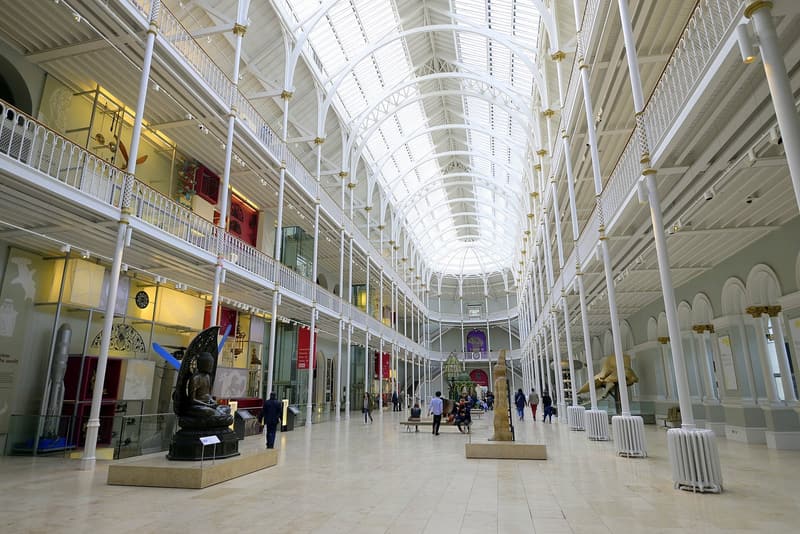
A large bronze leg discovered in a rural Scottish bog more than 200 years ago, which languished for a century in a duke’s storeroom, is now helping to rewrite the history of the Roman empire. Antiquarians previously argued that the artifact, known as the Mislington leg, had been looted from places like York and carried north of Hadrian’s Wall by marauding Scottish tribes. However, archaeologists now believe the hefty gilded limb originated in the Scottish Borders and once formed part of a vast equestrian statue of the emperor Antoninus Pius, erected near Hawick around AD140 after his armies secured southern Scotland. Bearing strong similarities to statues in other frontier regions, the limb is the centerpiece of the largest exhibition ever staged on the Romans in Scotland, opening at the National Museum of Scotland in Edinburgh.
The artifact spent a century in the charter room at Dalkeith House near Edinburgh, one of the stately homes belonging to the Duke of Buccleuch, following its excavation in 1820. Curators now display the leg alongside other recent discoveries that demonstrate the Romans exerted a far more significant influence north of Hadrian’s Wall than previously understood, occupying large territories, creating new artworks, and shaping Scottish politics long after their military retreat. Dr Fraser Hunter, the exhibition's principal curator, notes that such statues would have profoundly impacted iron-age communities, and that the leg was carefully deposited rather than hacked off. Among other highlights, the exhibition features a newly reconstructed earthenware bowl from Inveresk decorated with dolphin and hunting dog reliefs, alongside two remarkably well-preserved stone altars from a local mithraeum and a rare burial skeleton of a cavalry horse.
A centuries-old gilded bronze leg reveals the true scale of Roman influence north of Hadrian's Wall.
Understanding Scottish Bronze History Through Roman Artifacts
The exhibition highlights Rome’s complex cultural and political interactions with indigenous Celtic tribes. While pre-Roman Scotland lacked a tradition of stone carving, the occupation sparked rich native styles and eventually led to ornate Pictish standing stones. Celtic rulers were initially captivated by Roman silver used for coins and jewellery, leading the empire to buy loyalty. Yet, the ongoing Roman threat eventually drove Pictish tribes to consolidate forces into a formidable anti-Roman coalition, using imperial models of sculpture and writing to shape their own regional identity and culture.
Why it matters
This exhibition fundamentally shifts our understanding of the northern frontier of the Roman Empire, proving that Roman occupation and cultural exchange extended far deeper into Scotland than historical consensus previously allowed. It sheds new light on how imperial presence inadvertently catalyzed political unification among indigenous tribes.
Sources
More like this
DNA Technology Solves Cold Case Murder After 21 Years
Yorkshire Artist's Nasa Print Unveiled at Cartwright Hall Exhibition

Beef Industry Pulls Climate Lesson After Rancher Backlash