Senators Warn GENIUS Act Rules Could Push Stablecoin Firms Toward Federal Oversight
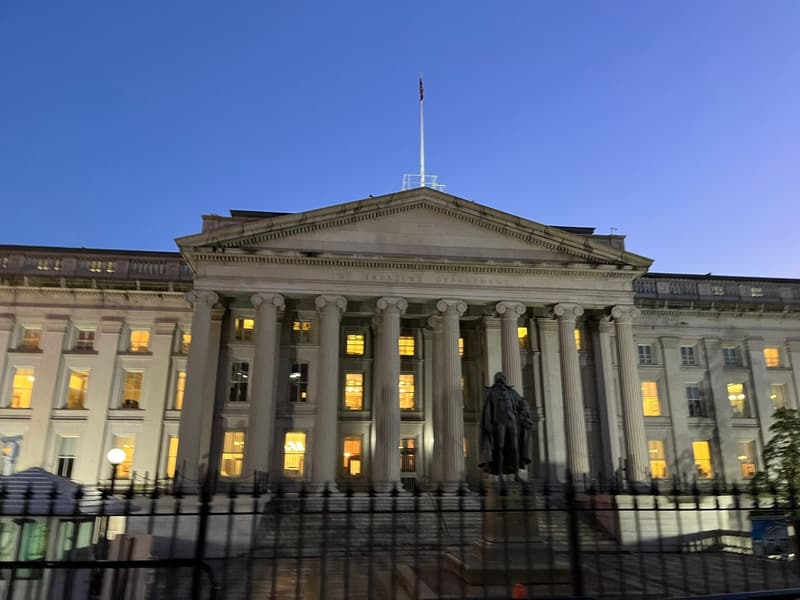
Representative photo · Photo: Wisneyykarin / Wikimedia Commons, CC BY-SA 4.0
Six bipartisan lawmakers have urged the U.S. Treasury Department to extend safe harbor protections to state-supervised stablecoin issuers.
This is news, not investment advice. NexVani Media is not a SEBI-registered investment adviser and does not recommend buying or selling any security. Do your own research or consult a registered adviser before investing.
Six bipartisan lawmakers recently sent a letter to Treasury Secretary Scott Bessent regarding the proposed implementation of the senate genius act. Senators Cynthia Lummis, Kirsten Gillibrand, Angela Alsobrooks, Kevin Cramer, Pete Ricketts, and Mark Warner warned that the current Treasury proposal could inadvertently steer stablecoin firms toward federal oversight rather than state supervision. According to the lawmakers, the Treasury's proposal offers a safe harbor to certain issuers holding pending federal applications and regulator-approved waivers, but leaves out equivalent protections for state-supervised issuers. The senators argued that this imbalance might incentivize companies to seek operational clarity under a federal license through the Office of the Comptroller of the Currency. They stated that this outcome runs counter to the original intent behind drafting the legislation. The GENIUS Act generally allows issuers with $10 billion or less in outstanding stablecoins to operate under qualifying state supervision, alongside exemptions for higher thresholds. To mitigate uncertainty, the lawmakers urged the Treasury to extend safe harbor protections to issuers located in states expected to establish qualifying regulatory frameworks prior to January 18, 2028, while their certification reviews remain pending. This request builds upon a previous appeal made in June urging the Treasury to preserve state participation and clarify the certification process. Meanwhile, industry perspectives vary on the practical impact of such measures. Kevin Wysocki, head of policy at Anchorage Digital, questioned whether a broader safe harbor would significantly alter outcomes. He noted that many issuers lean toward federal oversight anyway because they risk being forced to switch regulators if their stablecoins surpass $10 billion in circulation, even though statutory exemptions exist for such thresholds. The ongoing debate highlights tensions between federal and state regulatory pathways as authorities continue shaping the framework for digital assets following comparisons by Treasury Secretary Scott Bessent to Lincoln-era banking reforms.
Senators warn that current GENIUS Act rules could push stablecoin firms toward federal oversight.
Why it matters
The debate over regulatory oversight directly impacts how stablecoin issuers choose between state and federal licenses, altering the operational landscape for digital asset companies. This regulatory direction affects compliance strategies across the financial sector as authorities finalize frameworks for stablecoins.
Sources
More like this

Binance Hackers Stole 192 Different Tokens Across 11 Networks, Court Records Show

Binance Introduces IBIT Perpetual Contract With Weekend Trading

CZ: Tokenized Anthropic Coming to BNB Chain on IPO Day