Serbia’s Student List Candidates Set for Parliament Oath
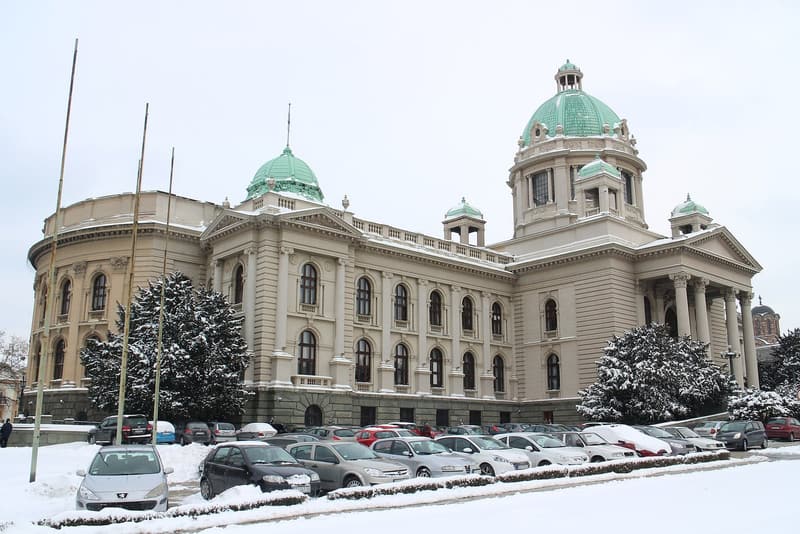
Representative photo · Photo: Suicasmo / Wikimedia Commons, CC BY-SA 4.0
Political outsiders from Serbia's Student List are set to be sworn in as MPs, ending 14 years of rule by ousted populist Aleksandar Vučić.
A total of 140 candidates belonging to the grassroots movement known as serbia student list are preparing to take their oaths during the inaugural session of the new parliament. This milestone event marks the formal conclusion of fourteen years in power for the Serbian Progressive party and its ousted populist leader, Aleksandar Vučić, following their defeat in last month's elections. The incoming lawmakers comprise a diverse mix of academics, scientists, lawyers, and performers who are currently navigating the transition toward establishing a new administration.
While the newly elected representatives ready themselves for the parliamentary opening, governance remains under a temporary caretaker administration led by the outgoing prime minister, Ðjuro Macut. Sarah El Sarag, an MP-elect and human rights lawyer, emphasized that the wider student movement remains actively involved alongside the candidates in shaping the future cabinet. Because the incoming politicians lack prior legislative backgrounds, the group has engaged in nearly daily preparation sessions and simulated parliamentary exercises to build readiness.
Grassroots political outsiders in Serbia are taking office to dismantle fourteen years of populist rule.
Navigating Transition Amid Resistance
The political shift faces substantial friction as Vučić rejects his transition into opposition status. The former leader has accused the new movement of directing submissive legal and law enforcement authorities to execute unlawful detentions. Recent police actions have targeted individuals associated with the outgoing ruling party, including construction company owners linked to a prominent Belgrade redevelopment project, a bank executive, and senior law enforcement officials implicated in abuse of power or election misconduct.
Electoral monitoring experts from the organization CRTA anticipate significant disruption during the legislative sessions, pointing to potential procedural obstruction or physical blockades by opponents. Despite these challenges, lawmakers face a strict constitutional deadline requiring a cabinet to be approved within ninety days of the inaugural national assembly meeting.
Why it matters
The transition in Serbia dismantles a fourteen-year political dominance and tests whether a coalition of professionals and academics without conventional political backgrounds can successfully govern a European nation. The unfolding parliamentary process and potential opposition protests will determine the stability of the new democratic administration and its ability to implement reforms within strict constitutional timelines.
Sources
More like this

Campaigners Urge Prime Minister to Boost International Rail to Reset UK-EU Ties
CFMEU Inquiry Hears Bandidos Member Was Pushed for Site Job
US Vice-President Vance to decide on 2028 run next year