Singapore Raises Social Aid Thresholds and Property Tax Rebates
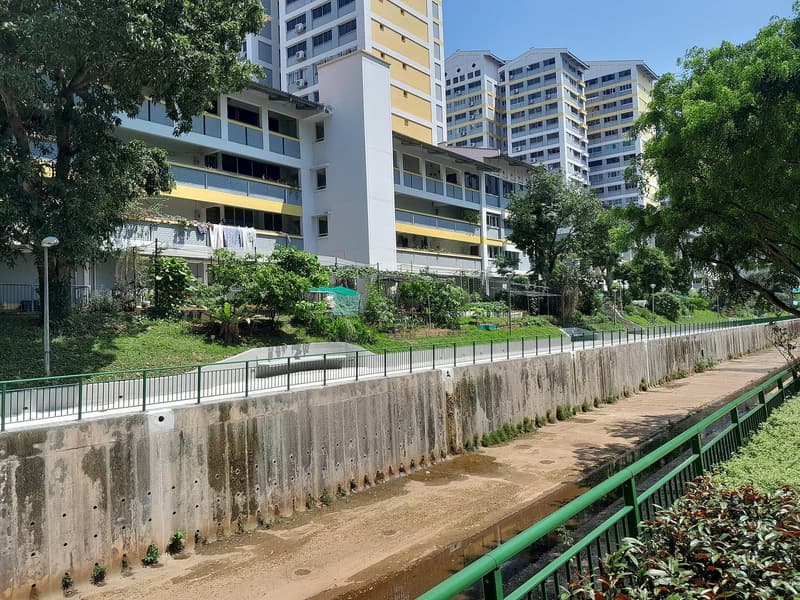
Representative photo · Photo: Teojincheng / Wikimedia Commons, CC0
Singapore will increase social support annual value thresholds from March 2027 and provide one-off property tax rebates to help residents manage living costs.
Under new fiscal adjustments, Singapore raises the annual value thresholds used to assess eligibility for social safety net schemes starting March 1, 2027, the Ministry of Finance announced. The revision aims to help citizens navigate living costs while ensuring that residents in public housing and lower-tier private residences do not lose access to vital government aid due to recent upward revaluations of residential properties.
Singapore is raising social assistance thresholds and granting one-off 2027 property tax rebates to help households.
According to the Ministry of Finance, the starting annual value benchmark will climb from S$21,000 to S$24,000, while the ceiling for the second tier will move up from S$31,000 to S$32,000. The government assesses annual values, which represent the estimated gross annual rent of a property, alongside personal earnings to determine who qualifies for tiered welfare programs. Qualification for 2027 benefits will rely on property assessments conducted in 2026.
The updated metrics will govern access to key social safety nets. These include the permanent Goods and Services Tax Voucher program, Workfare Income Supplement distributions, and MediShield Life premium subsidies. The state intends for these higher brackets to prevent residents in Housing & Development Board flats and modestly valued private homes from being disqualified after home values rose from 2025 onwards.
How Singapore Raises Property Relief Measures
Alongside the threshold adjustments, authorities announced targeted one-off property tax rebates for 2027 to mitigate household financial strain. Every owner-occupied HDB flat will receive a 15% tax rebate. Owner-occupiers of private residential properties will obtain a 10% rebate, subject to a S$100 cap, down from the S$500 limit granted in 2026 under the same percentage relief.
The Ministry of Finance and the Inland Revenue Authority of Singapore stated that the rebates will buffer tax payments. With the relief applied, owners of three-room or larger HDB flats will experience average monthly tax increases ranging from S$2 to S$4. Most owner-occupiers in private residences will face an average rise of roughly S$6 each month. One-room and two-room HDB homeowners will continue to pay no property tax.
Authorities will issue property tax notices for 2027 by December 2026, with settlements required by January 31, 2027. Homeowners can settle their dues via interest-free GIRO instalments over 12 months or through a single deduction. Eligible retired homeowners may apply to stretch instalments across 24 months. Accounts not cleared or set up under GIRO by the designated cutoff date will incur a 5% late penalty.
Why it matters
The policy recalibration protects access to crucial social welfare schemes for lower- and middle-income families who might otherwise be priced out by rising property assessments. By buffering the tax impact through tiered rebates and extending payment timelines for retirees, the administration balances property value adjustments with cost-of-living assistance for local households.
Sources
More like this

NATO to Meet Following Escalations in the Russia-Ukraine War
Kenya and DR Congo agree to restore ties after tensions over Kenya Congo relations

Sudanese Mothers Face Extreme Hardship as the Number of Widowed Women Rises