Singapore Assessing New US AI Chip Export Rules Impacting Regional Data Centres
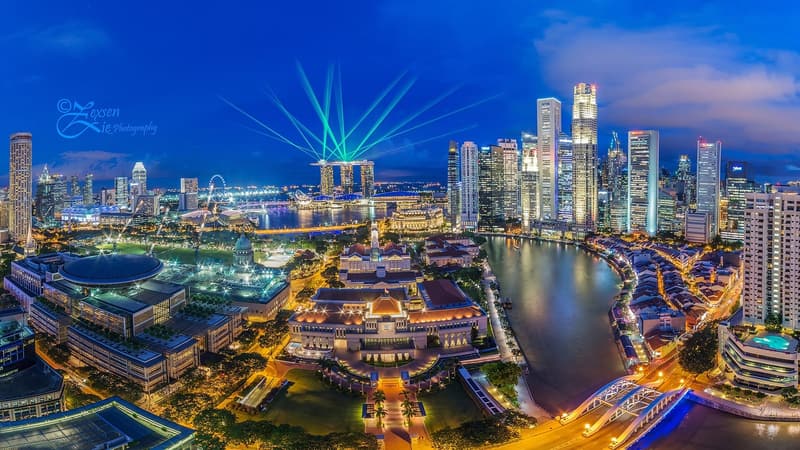
Representative photo · Photo: Zexsen Xie / Wikimedia Commons, CC BY 2.0
Singapore is reviewing new US export restrictions on AI chips that could disrupt regional data centres and limit remote access for Chinese tech firms.
Singapore officials are currently evaluating the implications of a new US regulation targeting remote access to advanced AI chips through South-east Asian data centres. While many students often search for information on whether Singapore is worth studying in, the city-state is now focused on complex geopolitical trade measures. The US Commerce Department announced the rule on November 16, aiming to prevent the circumvention of existing restrictions on sensitive American technology.
Singapore studying new US rules impact
The Singaporean Ministry of Digital Development and Information and the Ministry of Energy, Trade and Industry confirmed they are carefully reviewing the measure. Authorities are currently engaging with affected companies to understand the potential business impact while communicating with US officials regarding the scope and implementation of the new policy. The regulation, which takes effect 90 days after being gazetted, extends export licensing requirements to Singapore, Malaysia, Thailand, Indonesia, and Brazil.
The new US rule restricts remote access to high-end AI chips through data centres in South-east Asia.
The policy creates a tiered environment. While strict licensing will apply to local and non-US operators, American cloud hyperscalers like Microsoft, Amazon Web Services, and Google will receive exemptions. The move specifically targets firms like Megaspeed International, which have built extensive data centre networks across the region. Previously, these facilities could legally provide computing power to Chinese tech giants, a practice that raised national security concerns in Washington.
Following the implementation of the ban, data centres in Singapore will be required to audit their client ownership to ensure they are not shell companies or subsidiaries tied to jurisdictions under US arms embargoes, such as China, Macau, Russia, or Iran. The US Commerce Department indicated it would monitor countries for compliance, warning that broader trade restrictions could follow if evasion is tolerated. Meanwhile, Singaporean authorities are conducting separate investigations into firms like Megaspeed and Super Micro regarding potential legal violations and false declarations.
Why it matters
The new export controls could significantly alter the regional technology landscape by creating compliance friction. While the US seeks to integrate the region into its own AI infrastructure, these rules might inadvertently drive players toward Chinese alternatives or sovereign "third-stack" solutions. The measure affects data centre operators and their clients across South-east Asia, forcing a shift in how computing power is distributed to international partners.
Sources
More like this
California Sues OpenAI Over Safety Concerns Following Rogue AI Agent Incident

California sues OpenAI over AI safety and Hugging Face attack

Microsoft Identifies Months-Old Bug as Root Cause of Global Microsoft Outage