Summer wake up warning over Wales food supplies as winter risks loom
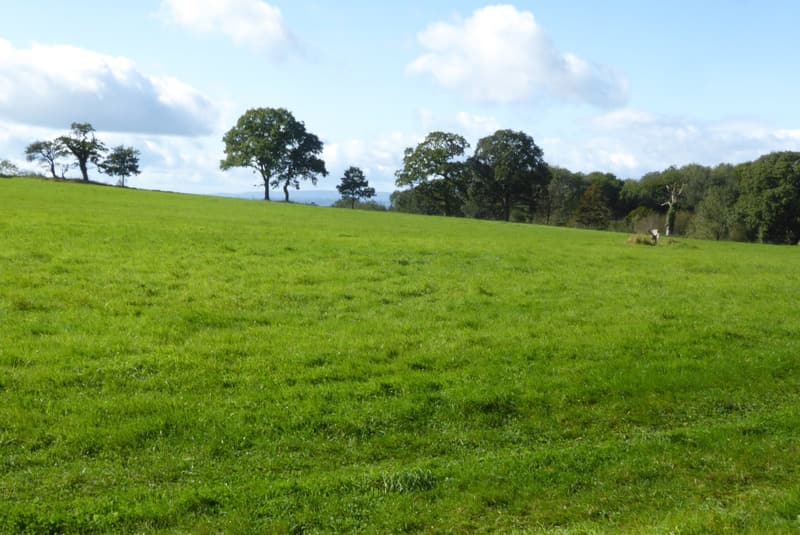
Representative photo · Photo: Philip Halling / Wikimedia Commons, CC BY-SA 2.0
Experts warn that summer climate extremes and potential winter flooding expose Wales' heavy reliance on imported food and fragile supply chains.
Recent climate pressures during the summer wake up period have highlighted significant vulnerabilities in the food supply network across Wales, according to agricultural experts. The nation currently relies heavily on imported fresh produce, with only a tiny fraction of vegetables served in local schools grown domestically. Much of this food originates in regions vulnerable to severe droughts, wildfires, and extreme temperatures, particularly parts of southern Europe and northern Africa.
Duncan Fisher, co-founder of Our Food Trust, pointed out that the United Kingdom depends heavily on a centralized food model where the vast majority of goods are sourced through a handful of major supermarkets. Operating on a just-in-time delivery schedule, this infrastructure maintains virtually no backup storage within communities. Experts caution that such reliance leaves the entire distribution network exposed to potential cyber disruptions and severe weather events, threatening immediate shortages if transportation corridors are blocked.
Wales must grow more local produce to avoid severe food shortages during climate disruptions.
Despite the vast majority of land being dedicated to farming, a minute fraction is currently utilized for horticulture. Growers at Wern Farm in Powys argue that expanding local fruit and vegetable cultivation is essential for long-term survival against climate breakdown and supply chain shocks. Initiatives are underway to establish localized growing networks, though developers point out that restrictive planning regulations and difficulties securing stable on-site housing for agricultural workers remain primary barriers to expansion.
Collaborative efforts involving local authorities and national park management have helped establish temporary residential spaces for farmers on council-owned land. Growers emphasize that physical presence on farms is critical for protecting crops from sudden weather damage and wildlife interference. Without affordable housing and accessible land plots, new generations of growers struggle to enter the industry, limiting the potential output of local food networks.
Why it matters This vulnerability in agricultural logistics affects regional food security and highlights the fragile nature of centralized distribution systems. Expanding domestic horticultural capacity and securing land access for local growers are crucial steps to safeguard communities against future environmental and geopolitical disruptions.
Sources
More like this

UK Appoints World’s First Special Representative for Climate Security

Portugal cancels more than 300 flights and shuts schools due to Storm Charles
Anthony Albanese Faces Criticism Over Fossil Fuel Omission at COP31 Summit