South Carolina Republicans organize write-in campaign for Ralph Norman
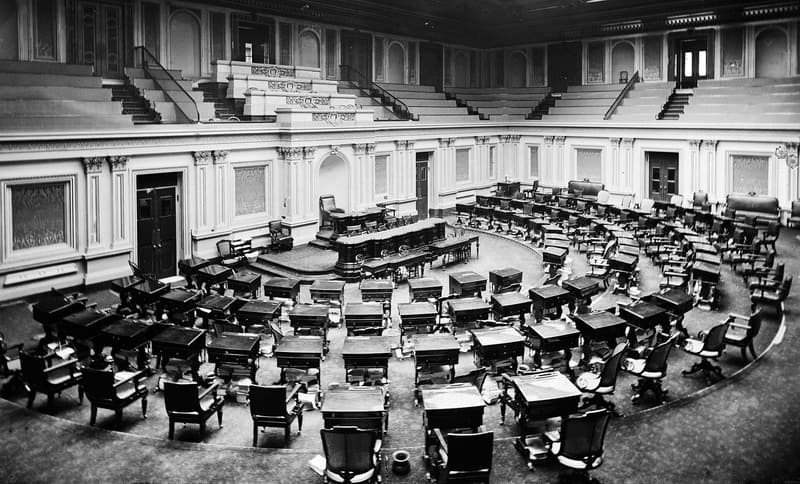
Representative photo · Photo: Brady-Handy Photograph Collection (Libra / Wikimedia Commons, Public domain
Disillusioned conservative voters in South Carolina are launching a write-in campaign for Ralph Norman, challenging the Trump-endorsed Senate nominee Darline Graham.
A group of conservative voters in South Carolina is challenging the state's Republican Senate nominee, Darline Graham, by promoting a write-in candidate. The movement, which centers on Congressman Ralph Norman, reflects growing frustration among some grassroots supporters who feel ignored by the party establishment. Understanding the nuances of a write-in candidate is essential for voters navigating this unusual election dynamic.
The tension stems from the appointment of Darline Graham to finish the term of her late brother, Senator Lindsey Graham, who passed away on July 11. Although initially viewed as a temporary appointment, Donald Trump publicly urged her to seek a full six-year term. Following his endorsement, she secured the Republican primary nomination, defeating Norman in the process. Many local conservatives, including 28-year-old Avery Milton, argue that the transition from appointment to campaign was forced and lacked genuine representation of the party's base.
Understanding the write-in candidate
For voters who feel their concerns are not being addressed, a write-in candidate serves as a formal way to express dissatisfaction. While the practice rarely results in a victory, it remains a recognized political tool. In 2010, Senator Lisa Murkowski successfully won an Alaska Senate seat after losing her primary and launching a write-in effort. In South Carolina, however, write-in votes accounted for only 0.1 percent of the total in the 2022 Senate race, highlighting the significant challenge facing the movement.
Conservative voters in South Carolina are launching a write-in campaign to protest the Trump-backed Senate nominee.
Norman, who represents the state’s fifth congressional district, has declined to campaign with Graham since his primary loss, stating that she has not earned the support of the grassroots. Critics of the current nominee, such as 77-year-old John Connolly, describe her as a party loyalist rather than an independent voice. This sentiment is particularly strong in Upstate South Carolina, where supporters of the write-in movement claim Graham has failed to engage with everyday voters.
Recent polling suggests that the lack of unity within the Republican ranks could create a vulnerability. With a significant portion of the electorate identifying as independent, the inability of the GOP to consolidate its traditional base may provide an opening for Democratic candidate Annie Andrews. As the election approaches, the Write-In Ralph movement continues to advocate for a representative who prioritizes independent policy analysis over party alignment.
Why it matters
The internal friction within the South Carolina Republican Party highlights a broader struggle between the party establishment and grassroots conservatives. This division threatens to weaken the party's hold on a traditionally safe seat, potentially allowing Democratic challengers to capitalize on voter dissatisfaction. For international observers, including those in India and South Asia, this shift illustrates how localized political disputes can impact the stability of national legislative agendas in the United States.
Sources
More like this

NSW Premier Minns Warns of Economic Fallout Ahead of RBA Rate Decision

UK Making Up China Policy As It Goes Along Warn Chinese MPS
Iliana Iotova becomes the first elected female president of Bulgaria