US Midterms: What to know about independent voters and candidates
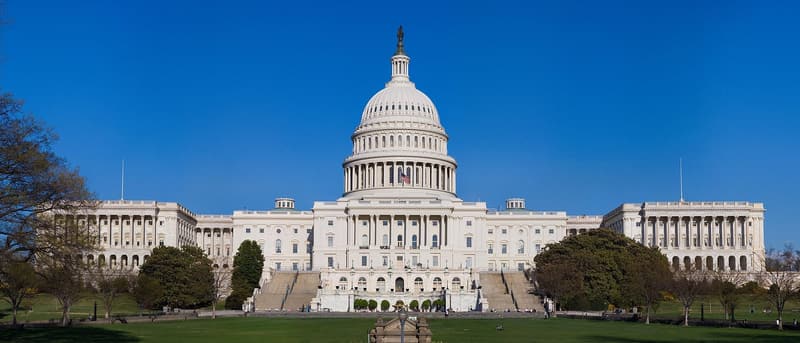
Representative photo · Photo: Noclip / Wikimedia Commons, Public domain
As the US midterms approach, a record number of voters identify as independent, yet the two-party system remains dominant. Here is what to know about the impact of these voters on the upcoming elections.
As Americans head to the polls for the midterms, many are asking what to know about the role of independent voters in the current political landscape. With nearly half of the US adult population—approximately 117 million people—identifying as politically independent, both the Democratic and Republican parties are actively competing for their support. Despite this record level of identification, the two-party system continues to dominate federal and state politics, creating significant hurdles for third-party or independent candidates.
Midterms what to know
While the Pew Research Center reports that 44 percent of US adults identify as independent, compared to 29 percent for Democrats and 28 percent for Republicans, the reality is more nuanced. Most of these individuals still lean toward one of the two major parties. Only about 7 to 10 percent of the electorate are considered "true" independents with no partisan bias. These voters are highly sought after as the core of the swing vote in a deeply divided country.
Record numbers of independent voters struggle to overcome a political system dominated by two major parties.
Independent candidates face structural challenges that make winning seats difficult. The winner-take-all electoral system and single-member districts often discourage voters from supporting outsiders, as they fear casting a "wasted" vote or acting as a spoiler. Furthermore, while laws are often cited as barriers, some analysts argue that the lack of public funding and lower name recognition are more significant obstacles. In the current cycle, independent candidates have raised significantly less money compared to the hundreds of millions collected by the Democratic and Republican national committees.
Efforts to support these candidates are emerging, such as the Independent Leadership Council, which has raised over $10 million to assist independent congressional campaigns. However, the long-term viability of these candidates remains unproven. Polling suggests that even when voters identify as independent, they often gravitate toward major-party candidates they view as more viable. Currently, there is only one independent in the House and two in the Senate, with no independent currently serving as a state governor.
Why it matters
The dominance of the two-party system despite a surge in independent identification highlights a persistent contradiction in US governance. This dynamic affects the competitiveness of elections and the diversity of political representation, as voters remain hesitant to support candidates outside the established parties, ultimately reinforcing the status quo.
Sources
More like this
Iliana Iotova becomes the first elected female president of Bulgaria
South Carolina Republicans organize write-in campaign for Ralph Norman