Sri Lankan Woman Stranded in Cook Islands After Visa Denials
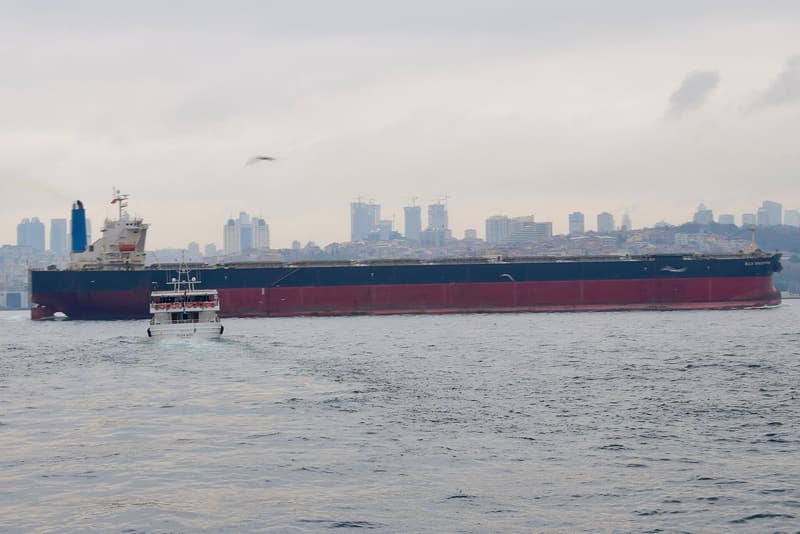
Representative photo · Photo: Ron Burch / Wikimedia Commons, CC BY-SA 2.0
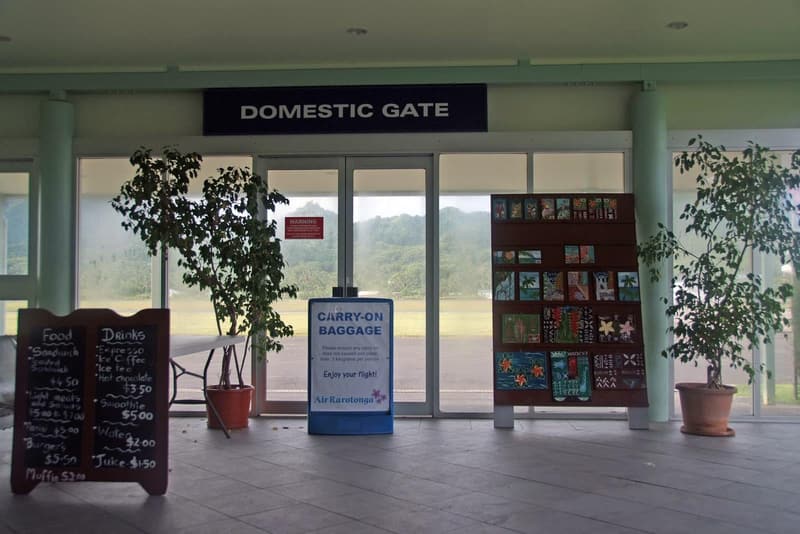
A 50-year-old Sri Lankan woman has been trapped in the Cook Islands for three years following rejected visa applications.
When a 50-year-old Sri Lankan national left her home country nearly a decade ago, she could not have anticipated becoming stranded in a remote South Pacific archipelago. For the past three years, she has found herself stuck in the Cook Islands due to a complex series of immigration setbacks and rejected transit visas. Her situation highlights how administrative rules can leave individuals stranded internationally without clear pathways to return home.
The ordeal began after she originally traveled to New Zealand, where she sought asylum following financial struggles in Sri Lanka, which included closing her small T-shirt factory and facing pressure from lenders. After receiving an initial temporary work visa, she sought alternative employment sponsorship. Following advice from an advisory firm to temporarily exit New Zealand to process a new visa application, she traveled to the Cook Islands. However, that departure breached the conditions of her existing New Zealand visa, and her new application was ultimately denied.
i've meaning
autoridades in New Zealand and Australia have since refused multiple transit visa requests, expressing concern that she might not depart after arrival. Alternative travel routes through Tahiti and Hawaii require in-person biometric processing that can only be completed within New Zealand itself. Despite facing these immense logistical hurdles, she has found some support locally from hotel management providing free accommodation and friendly residents assisting with food and clothing.
Administrative visa rejections have left a Sri Lankan woman stranded on a remote Pacific island for years.
Her separation from family remains a profound personal challenge. Her only child is preparing for marriage, and her elderly mother has suffered severe stress resulting in repeated hospitalizations. Having spent significant financial resources on unused air tickets and continuous visa applications over multiple years, she remains desperate for a resolution that would allow her to return to Sri Lanka.
Why it matters
This case demonstrates the severe human impact of rigid international border policies and the risks individuals face when navigating complex immigration advice across multiple jurisdictions. For readers across South Asia, it underscores the profound vulnerabilities migrant workers and asylum seekers encounter when administrative missteps leave them legally stranded abroad without viable transit options.
Sources
More like this
Dutch authorities rescue 38 people adrift in rubber boat

Protests in Germany and France as officials warn against Halloween masks

Belfast man arrested following explosives and firearms charges