Tusk defends overhaul of Poland’s constitutional court
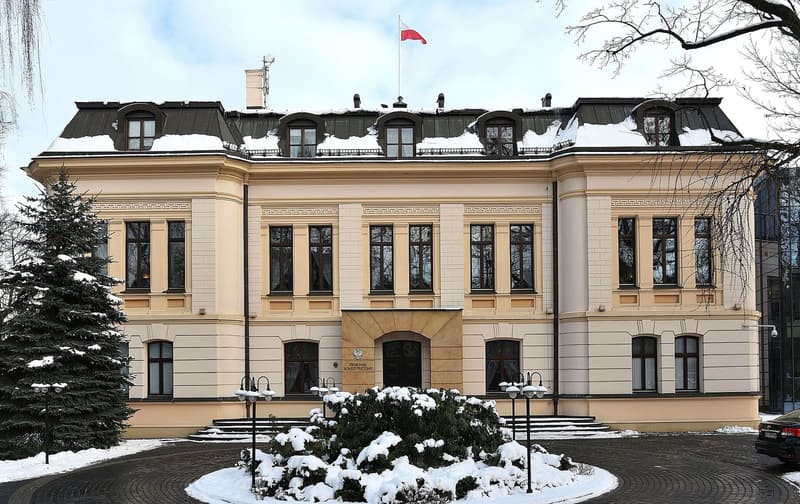
Representative photo · Photo: Adrian Grycuk / Wikimedia Commons, CC BY-SA 3.0 pl
Prime minister Donald Tusk remains firm on restructuring Poland's constitutional court despite protests and opposition pushback.
Poland’s leader has firmly defended a controversial restructuring of the nation's constitutional tribunal, declaring that compromise is impossible on certain matters. In a weekend television broadcast, the head of government remained defiant despite street demonstrations that required riot police deployment around the judicial headquarters. The prime minister asserted that the shake-up is essential to repair an institution severely damaged by years of political conflict.
The tribunal had remained deadlocked for more than a decade, sitting at the centre of rule-of-law disputes throughout the previous administration's tenure. Since returning to power, the governing coalition has attempted to reverse prior judicial modifications, though these efforts face persistent obstacles from opposition-affiliated figures holding veto authority. This judicial crisis escalated when government-aligned judges sought to assume administrative control of the institution, suspending previous appointees and triggering fresh demonstrations.
Defending the administration's actions, the prime minister argued that the tribunal structured by predecessors failed to function as a legitimate court, referencing critical rulings from European judicial bodies. He dismissed opposition outrage and claimed that political actors have long worked to undermine democracy and the rule of law within the nation. Furthermore, the leader criticized the presidential intervention during the recent protests, stating that no political figure possesses the authority to enter a court facility to issue directives or pressure magistrates.
The prime minister vowed to proceed with judicial overhauls to restore the tribunal.
Meanwhile, legal experts remain divided regarding the legality of the government's procedural steps. Human rights organizations described the legal foundation for the temporary suspensions as questionable, while foreign ministry representatives defended the measures as a necessary defense against unconstitutional transformation. Political talks held by the president yielded no breakthrough, and opposition representatives strongly condemned the government's approach amid ongoing regional tensions involving international figures.
Why it matters
This domestic struggle sets critical battle lines ahead of upcoming legislative elections, determining the balance of power between the current coalition and nationalist forces. The outcome of this dispute directly shapes the future independence of the judicial system and governance structures in Poland.
Sources
More like this

US Judge Dismisses Trump Defamation Lawsuit Over Epstein

New legal trump filing challenges claims of non-citizen voting in California
Palestine Action supporters arrested outside US embassy in London