How $10,000 in stablecoins would have gained €420 without interest
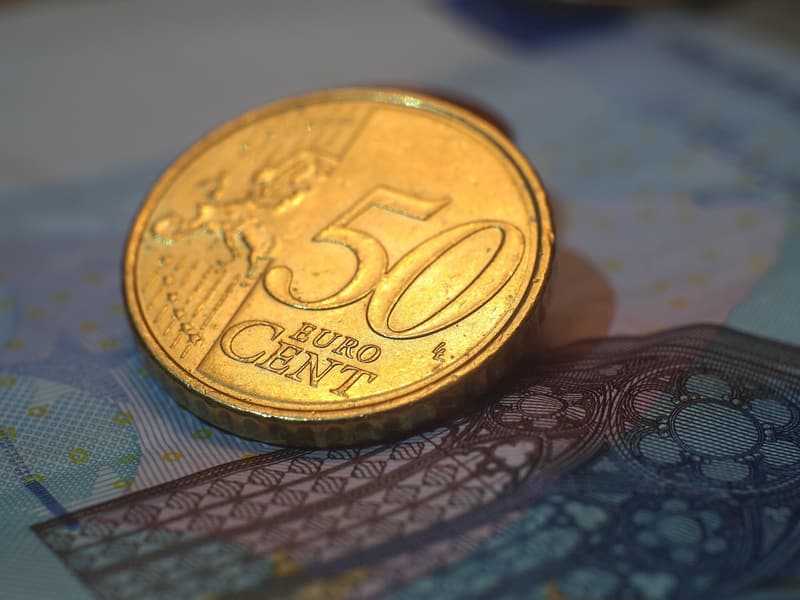
Representative photo · Photo: José Carlos Casimiro / Wikimedia Commons, CC BY-SA 2.0
European Central Bank analysis shows how dollar stablecoins expose euro holders to currency shifts, independent of asset stability.
This is news, not investment advice. NexVani Media is not a SEBI-registered investment adviser and does not recommend buying or selling any security. Do your own research or consult a registered adviser before investing.
A recent European Central Bank analysis highlights that while a dollar stablecoin can maintain its peg, the euro value of a European saver's balance can experience significant fluctuations. Between September 1 and November 13, 2026, an unchanged holding at a perfect one-dollar peg would have gained roughly 4.9 percent in euros, according to ECB reference rates and excluding any costs. When assessing how 10 000 dollars in naira or other currency figures relate to cross-border holding, the underlying principle of translation risk remains a central factor for retail participants.
The ECB bulletin utilizes Consumer Expectations Survey modules from August and November 2025 across the eleven largest euro area countries. In August, 5 percent of respondents reported stablecoin ownership personally or within their household, while 13 percent reported general crypto ownership. Among crypto holders, 17 percent indicated holding USDT, 12 percent held USDC, and 10 percent held EURC. These figures measure ownership frequency rather than invested capital share, as respondents could select multiple assets from a sample of 1,286 participants.
Exchange Rate Dynamics and Valuations
The two-date comparison uses a baseline of September 1, when the ECB reference rate was 1.1590 dollars per euro, shifting to 1.1052 on November 13. Because fewer dollars were required to buy a single euro, a stable holding of 10,000 tokens translated from 8,628 euros to 9,048 euros before costs, yielding an approximate 420 euro increase entirely driven by currency movement. Conversely, a stronger euro can diminish or reverse this currency effect even if the underlying dollar peg remains fully intact.
Separately, a DefiLlama Research study published in November examined 98 stablecoin pools and reported a median base annual percentage yield of 4.1 percent. However, basic token ownership like USDC does not automatically generate interest or reserve income entitlement. Earning decentralized finance yields requires engaging in separate positions carrying distinct smart contract, liquidity, and credit risks. Redemption processes also depend on access routes, with institutional or eligible retail channels involving identity checks and compatible bank accounts.
Why it matters
For euro area households using digital assets while managing expenses denominated in euros, currency volatility introduces an additional layer of exposure alongside traditional peg and investment risks. Understanding whether a digital balance preserves purchasing power in the currency actually needed for everyday living expenses is crucial for retail participants navigating digital finance.
Currency movements alone can significantly alter the euro value of unchanged dollar stablecoin holdings.
Sources
More like this

Wall Street Races to Claim the Onchain Dollar

The potential resurgence of enterprise blockchain technology

Robots Execute AI-Written Code Independently with 92% Success Rate