The Stock Market Wealth Effect: Why It Matters Even If You Do Not Own Shares
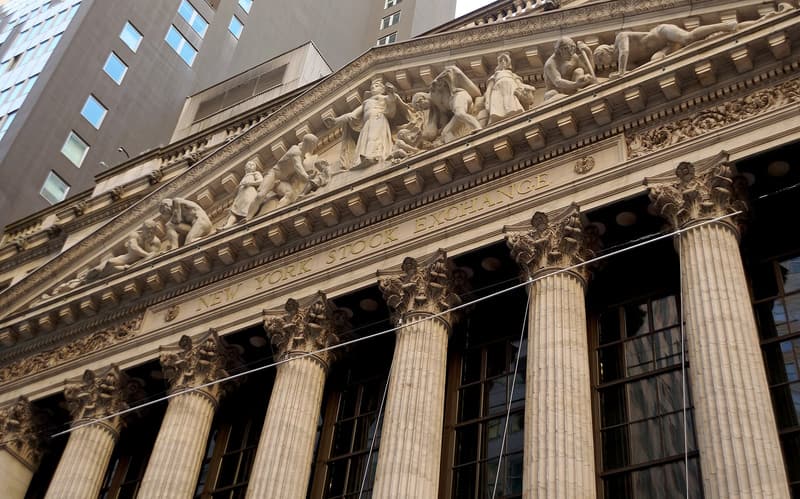
Representative photo · Photo: Jakub Hałun / Wikimedia Commons, CC BY 4.0
Equity market fluctuations impact the broader economy through household wealth changes and corporate financing, affecting everyone from consumers to workers.
This is news, not investment advice. NexVani Media is not a SEBI-registered investment adviser and does not recommend buying or selling any security. Do your own research or consult a registered adviser before investing.
Understanding the stock market is essential for everyone, as equity price movements exert a significant influence on the global economy. Whether you follow stock market news or have never invested, the performance of equities affects your daily life through the wealth effect and corporate financing channels. When share prices rise, households with equity exposure—including those with retirement accounts or mutual funds—see their paper wealth increase. This often boosts consumer confidence, leading people to increase discretionary spending on items like cars or home renovations. Conversely, a sharp market decline can cause households to become more cautious, leading to reduced consumption and weaker economic activity.
The Financial Transmission Mechanism
The stock market also dictates how easily companies raise capital. When valuations are high, firms can issue shares to fund expansions, build factories, or develop new technology more efficiently. This environment encourages hiring and growth. However, when stock prices collapse, the cost of equity financing rises. Companies may postpone projects, preserve cash, or scale back hiring plans. These decisions ripple through the supply chain, impacting suppliers, contractors, and employees who may have no direct connection to the financial markets.
Stock market movements influence the broader economy through household wealth changes and corporate investment decisions.
Central banks closely monitor these developments because they affect inflation and economic activity. A market rally can make credit more accessible and boost demand, potentially complicating efforts to control inflation. Conversely, a prolonged selloff can tighten financial conditions, which may reduce the need for further interest rate increases. While the market is forward-looking and often reacts to economic expectations, these financial and wealth effects can create feedback loops that either reinforce a recovery or deepen a downturn.
Why it matters
These mechanisms demonstrate that the health of the stock market is not isolated to investors. When companies delay expansion or reduce hiring due to poor market conditions, the impact is felt by workers across the economy through slower wage growth or potential layoffs. This creates a tangible connection between corporate valuations and the financial well-being of the general public.
Sources
More like this
Anthropic shares fall back toward IPO price after debut
Global Markets Slump as Anthropic IPO Fails to Halt AI Sell-Off
Three Arrested During Anthropic IPO Protest Outside Nasdaq