World
Swimmer Lewis Pugh highlights marine pollution in the Strait of Hormuz
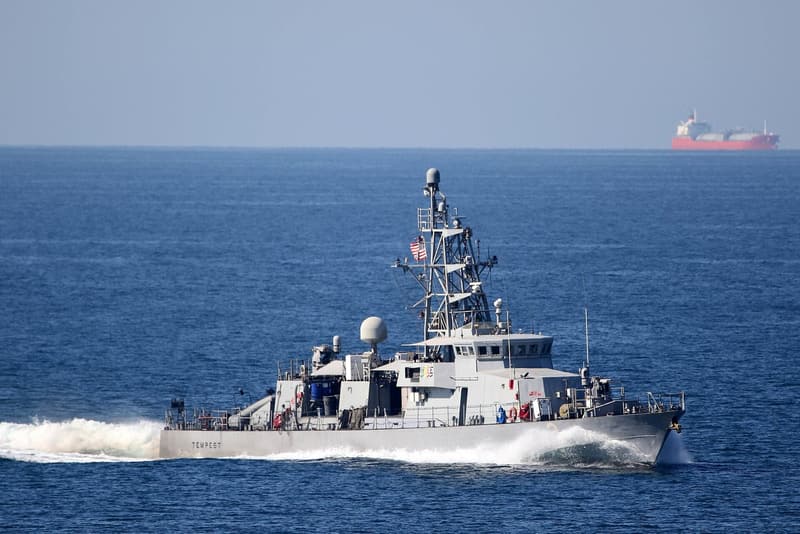
Representative photo · Photo: Official U.S. Navy Page from United Stat / Wikimedia Commons, Public domain
Representative photo · Photo: Official U.S. Navy Page from United Stat / Wikimedia Commons, Public domain
Endurance swimmer Lewis Pugh has entered the waters of the Strait of Hormuz to draw attention to the environmental damage caused by ongoing maritime conflict.
As explosions rocked the Strait of Hormuz and tankers burned in the distance, endurance swimmer Lewis Pugh took to the water to highlight a critical environmental issue. While the world focuses on the geopolitical tensions of the US-Israeli war on Iran, the swimmer is using his platform to expose the severe impact of the conflict on marine life.
For an endurance swimmer, the water is a place of focus and endurance, but in the Strait of Hormuz, it has become a site of ecological distress. Pugh warns that the current military activities are causing significant oil pollution. He emphasizes that while the fighting may eventually cease, the damage inflicted upon the marine ecosystem will persist, potentially requiring decades of remediation efforts to address the contamination.
Ongoing conflict in the Strait of Hormuz is causing long-term oil pollution damage to marine ecosystems.
The environmental degradation caused by the conflict in the Strait of Hormuz represents a significant threat to regional biodiversity. As oil spills and pollution spread, the long-term health of the marine environment remains at risk, affecting the natural resources that are vital to the region. This situation underscores the hidden costs of maritime warfare, which extend far beyond the immediate tactical objectives of the nations involved.