The top five issues impacting Australia in late 2025
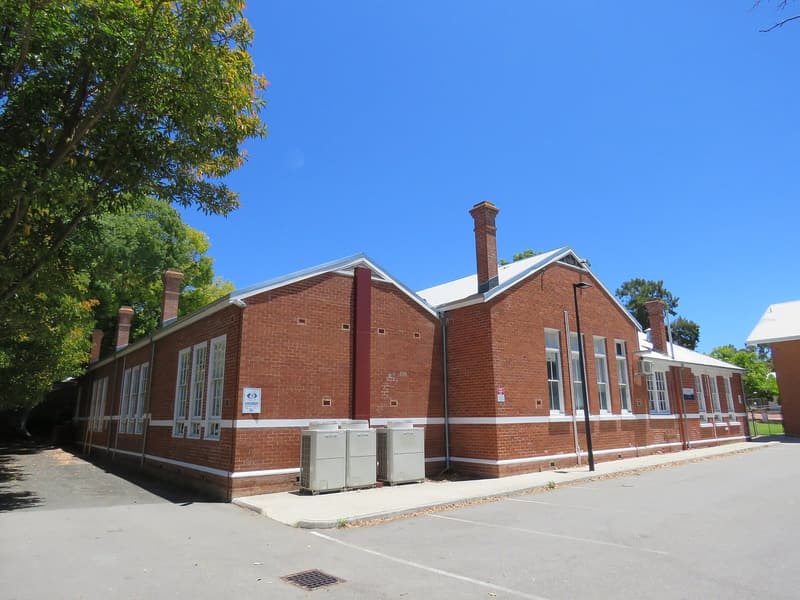
Representative photo · Photo: Calistemon / Wikimedia Commons, CC BY-SA 4.0
Australia faces a complex end to 2025, marked by a national asbestos recall in schools, shifting coal export markets, and scrutiny over the multi-billion dollar AUKUS submarine program.
As Australia navigates the final months of 2025, the nation is grappling with a series of challenges that define the top five issues currently dominating public discourse. From public health crises to shifting geopolitical and economic realities, these developments are reshaping national priorities.
The top five issues in Australian news today
The Australian Competition and Consumer Commission (ACCC) initiated a nationwide recall of children’s play sand in November 2025 after laboratory testing confirmed the presence of asbestos, including tremolite and chrysotile. The contaminated products, which include brands such as Kadink Sand and Educational Colours, were sold at major retailers like Kmart and Target between 2020 and 2025. The impact has been widespread, with over 70 public schools in the ACT and 139 sites in South Australia facing closures or remediation. While authorities note the risk of airborne fibres remains low if the sand is undisturbed, the precautionary response highlights significant concerns regarding supply chain oversight and the safety of imported educational materials.
The discovery of asbestos in children's play sand has triggered widespread school closures and safety concerns.
Simultaneously, Australia’s export economy faces a structural shift. At the COP30 climate conference, the South Korean government announced plans to phase out all domestic coal-fired power plants by 2040. As a major importer of Australian thermal coal, this move signals a long-term decline in demand. Recent data indicates that Australia is already losing market share to Russia and Indonesia, as local exports struggle with higher costs and logistical challenges. This transition places pressure on Australia to diversify its export base toward critical minerals and green manufacturing to avoid the risks associated with stranded fossil-fuel assets.
Finally, the nation’s defence strategy is under intense scrutiny. A report from the UNSW Canberra Naval Studies Group has challenged the current cost estimates for the AUKUS Pillar I nuclear-submarine program, which is valued at approximately AUD $368 billion. Critics argue the program is inadequately funded, noting that even with defence spending projected to reach 2.33% of GDP by 2033-34, the budget may be insufficient to cover both the submarine fleet and broader capability upgrades. With the program’s forward estimates already rising by at least AUD $6 billion in recent years, the sustainability of the project remains a point of contention for national security planners.
Why it matters
These issues represent a convergence of domestic safety failures, global economic transitions, and long-term strategic risks. For the Australian public, the immediate focus remains on school remediation and the accountability of retailers and regulators regarding product safety.
On the international front, the decline of coal demand impacts global energy markets, affecting trade relationships across the Indo-Pacific. While these events are centered in Australia, they reflect broader global trends in supply chain transparency and the urgent need for industrial adaptation in an era of climate policy and shifting geopolitical alliances.
Sources
More like this

Six Dead Following Residential Fire in Brooklyn, New York
Iran signals no deal following US midterm election results

Can Iran win the war? Mojtaba Khamenei shifts to a new decision-making model