Core Scientific and TeraWulf Post $1.9B Profit on AI Shift
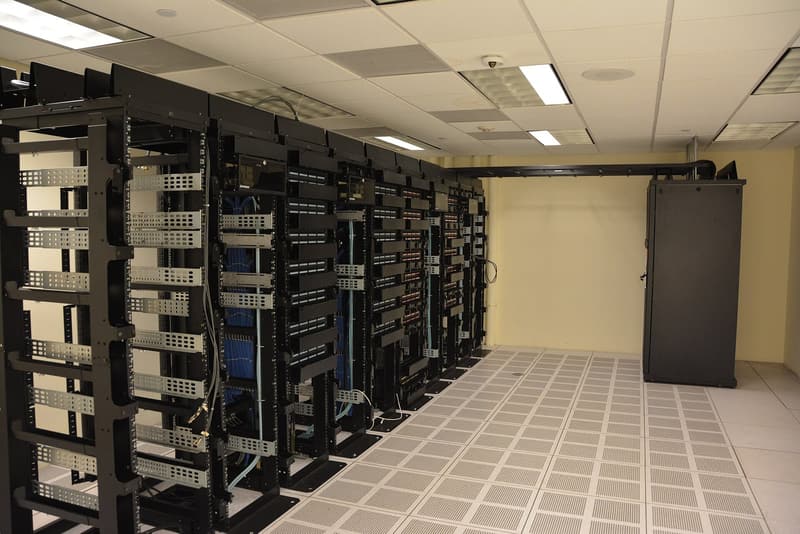
Representative photo · Photo: Carl Lender from Sunrise, USA / Wikimedia Commons, CC BY 2.0
Bitcoin miners Core Scientific and TeraWulf reported nearly $2 billion in combined third-quarter profit after pivoting to data-center hosting for AI customers.
This is news, not investment advice. NexVani Media is not a SEBI-registered investment adviser and does not recommend buying or selling any security. Do your own research or consult a registered adviser before investing.
Two Bitcoin mining companies, Core Scientific and TeraWulf, reported a combined third-quarter profit of nearly $1.9 billion as they shifted their business models toward data-center hosting for artificial intelligence customers. While this financial milestone highlights a major strategic transition, investors examining two bitcoin trends and broader crypto equities will note that the headline earnings largely stem from non-cash accounting adjustments rather than traditional cash flow.
For the quarter ended September 30, the two companies posted starkly different operating results. Core Scientific recorded $72 million in operating income under U.S. accounting rules, which included a $19 million digital-asset fair-value gain. In contrast, TeraWulf recorded an $88 million operating loss. Most of their revenue is now supplied by computing leases and colocation services following their departure from pure Bitcoin mining.
Accounting Gains Drive Net Income
The vast majority of the reported profit came from pretax non-cash gains related to the revaluation of financial instruments, totaling $1.76 billion. Core Scientific reported $1,178 million in consolidated net income, which included a $1,034 million revaluation gain primarily driven by legacy warrants and an AMD warrant. TeraWulf recorded $710 million in net income, bolstered by a $728 million gain from revaluing Google warrants issued for credit support. These revaluations raise reported earnings through non-cash accounting entries as stock prices fluctuate.
Operating cash flows and capital expenditures reveal a different picture of ongoing operations. For the first nine months of the year, Core Scientific generated $296 million in operating cash while spending heavily on property, plant, and equipment alongside asset acquisitions. TeraWulf used $179 million in operating cash during the same nine-month period while making substantial investments in plant and equipment purchases using external financing and stock issuances.
Financial results show that non-cash revaluation gains heavily outweighed traditional operating income for both transitioning miners.
Why it matters
The financial reports illustrate that headline net income figures can heavily skew perceptions of profitability during major business model pivots. While both companies are successfully expanding their high-performance computing infrastructure to meet AI demand, differing operating outcomes and heavy capital expenditures show that headline earnings alone cannot establish that the AI build-out funds itself. Delivered hosting capacity, cash collections, and external financing commitments will ultimately dictate whether these growing businesses can sustainably carry their substantial construction bills.
Sources
More like this

Vitalik Buterin Says ETH Value Is Stability Not Fee Burns
Bitcoin Lightning Node Software Updates Do Not Fix Underlying Linux Flaw

BlackRock: Security Fears Drive Bitcoin Whales Into IBIT