Uganda Minister Calls for Just Climate Transition at COP31
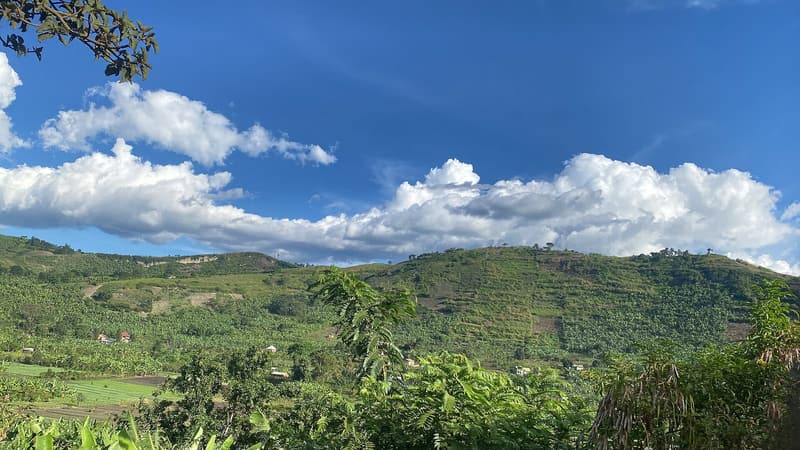
Representative photo · Photo: BalukuBrian / Wikimedia Commons, CC BY-SA 4.0
Uganda's environment minister is urging wealthy nations to provide promised climate funding, citing the urgent need for a just transition for developing countries.
As the global community gathers for the COP31 summit in Turkey, Uganda's environment minister, Beatrice Atim Anywar, is leading her delegation with a clear message: developing nations require more than just rhetoric to combat the realities of a changing climate. For the people of Uganda, a country of 53 million, the crisis is not a distant threat but a present danger, manifesting in frequent landslides, floods, and droughts that disrupt food security and livelihoods.
The reality of climate change in Uganda
While Africa contributes less than 4% of global greenhouse gas emissions, the continent remains disproportionately vulnerable to environmental shifts. Anywar highlighted that the lack of promised international financing has placed an immense strain on national budgets and public health. As the nation grapples with these challenges, it is simultaneously working to expand renewable energy, particularly hydropower, to reduce the reliance on wood and charcoal, which currently accounts for 90% of the country's energy consumption. Only about 2% of Uganda's energy is derived from electricity, and less than half of the population has access to the grid.
Developing nations are demanding a just transition as promised climate funding remains largely unfulfilled.
Balancing development and environmental goals
Uganda is also pursuing economic growth through oil production, including a controversial 1,443-kilometer pipeline project that has drawn criticism from environmentalists. The project, which involves drilling in Murchison Falls National Park, has been labeled a significant source of future carbon emissions. Anywar defended the project as a deliberate, controlled effort to secure necessary revenue, arguing that developing countries must utilize their resources to fund their own transition to cleaner energy. She emphasized that wealthy nations should acknowledge the economic constraints faced by developing states, asserting that they cannot be expected to cut off their primary economic lifelines without adequate financial support.
Beyond fossil fuels, the Ugandan government is exploring carbon credits as a potential breakthrough for climate adaptation. By leveraging its rich biodiversity, the country hopes to attract investors to forest protection and renewable energy initiatives. Anywar stressed that any such approach must be bankable and transparent to ensure long-term success for the nation's development goals.
Why it matters
The lack of climate financing remains a major point of contention at international summits, leaving developing countries like Uganda to navigate the difficult balance between economic development and environmental protection. This ongoing debate affects how global climate policy is shaped and whether vulnerable regions will receive the support needed to adapt to extreme weather events.
Sources
More like this
California Coastal Communities Face Severe Waves and Storms
Wildlife conservation funding targets former colliery sites in Yorkshire
Africa and Europe clash at COP31 over climate finance and adaptation funds