California Coastal Communities Face Severe Waves and Storms
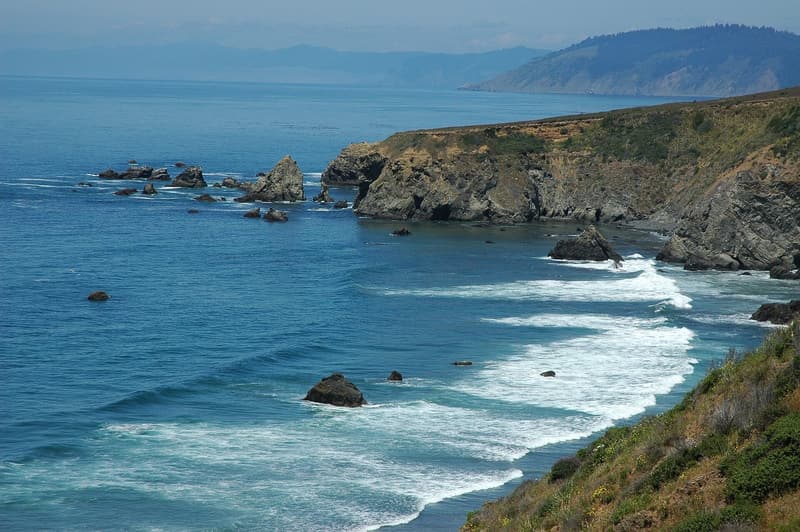
Representative photo · Photo: Wonderlane / Wikimedia Commons, CC BY 2.0
Powerful swells and successive low pressure systems bring hazardous conditions, heavy rain, and high waves to California's coastal communities.
Multiple coastal hazard warnings were issued across California this week as successive areas of low pressure generated powerful swells and large breaking waves for California coastal communities. Beaches and piers were closed last weekend after massive waves crashed into the shoreline, creating dangerous conditions for residents and visitors.
Offshore buoys managed by the National Oceanic and Atmospheric Administration recorded wave heights exceeding thirty feet last Friday. Notably, the Monterey buoy registered a wave height of 34.1 feet, marking its highest reading in thirty years. These extreme conditions prompted alerts that extend through Friday night, with expected wave heights of ten to eighteen feet, and local sets reaching eighteen to twenty-two feet for beaches in San Luis Obispo county and the Santa Barbara county central coast.
Pacific Storms Impact the Region
Beyond the marine hazards, these Pacific storm systems are driving unsettled weather across the western United States, bringing heavy rain, mountain snow, and strong winds. San Francisco experienced record-breaking rainfall on Wednesday, while severe weather caused power outages for 32,000 customers in Sacramento.
Powerful ocean swells and severe storms trigger extensive hazard warnings across California.
Looking toward the weekend, another area of low pressure is expected to deliver substantial moisture to northern California and southern Oregon. Forecasters anticipate more than four inches of rain in certain locations by Sunday night, alongside additional snowfall in mountain areas such as the Donner Pass in the northern Sierra Nevada range.
Why it matters
The severe weather and high waves significantly disrupt daily life, transportation, and power infrastructure across the affected regions, posing immediate safety risks to coastal communities and travelers.
Sources
More like this

Wildlife conservation funding targets former colliery sites in Yorkshire

Africa and Europe clash at COP31 over climate finance and adaptation funds
UK Oil Firm Fined After Hundreds of Permit Breaches