
UK borrowing rises less than forecast in boost for John Healey
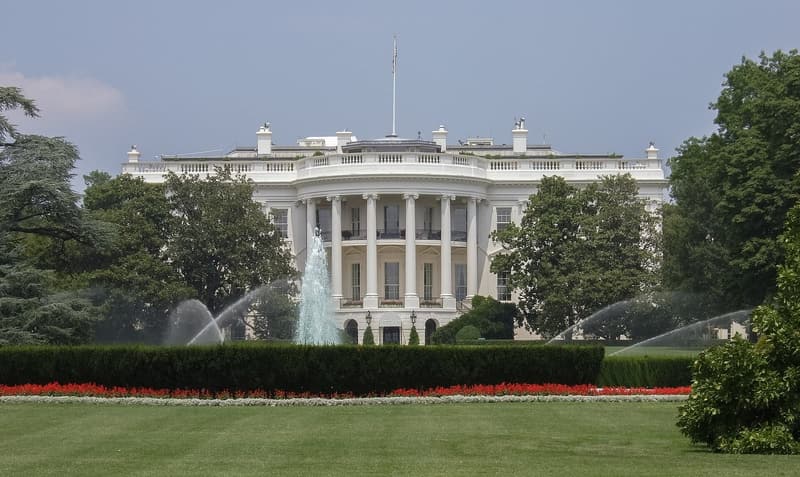
Representative photo · Photo: concrete&fells from London, United Kingd / Wikimedia Commons, CC BY 2.0
UK government borrowing reached £17bn in October, defying forecasts and offering a surprise boost for chancellor John Healey.
The UK economy has defied City predictions and the fallout from the conflict in Iran, with the gap between government spending and income coming in about £1bn lower than anticipated in October at £17bn. This outcome serves as an unexpected boost for chancellor John Healey amid mounting pressure on Britain’s economy from the Middle East war. According to the Office for National Statistics (ONS), public sector net borrowing was £17bn in October, representing an increase of about £800m compared to the same month in the previous year. City economists had previously anticipated that borrowing would climb to £18bn. > UK borrowing rises less than expected in October, defying City predictions. For the financial year up to October, public sector net borrowing totaled £111.3bn, which is £7.3bn lower than the figure recorded during the same timeframe last year, according to the ONS. Grant Fitzner, the ONS chief economist, noted that borrowing so far this financial year remained lower due to receipts growing at a faster pace than spending, driven particularly by strong growth in income-related taxes. However, monthly borrowing did rise compared to last October, partly influenced by higher debt interest expenses. Emma Reynolds, the Chief Secretary to the Treasury, stated that Britain is demonstrating stand-out resilience despite the global impact of the conflict in Iran. She noted that the country has cut borrowing faster than any other G20 country this year, and plans to cut waste and bureaucracy by reprioritizing spending and making public services more efficient with artificial intelligence. In his recent budget, Healey raised taxes on banks to fund relief for households squeezed by the energy shock resulting from the Middle East war. Against an uncertain global backdrop, Healey maintained the government fiscal rules with £15bn of headroom, which is lower than the £23.6bn buffer left by his predecessor Rachel Reeves, as the conflict drove up government borrowing costs. Economists have warned that a low-key budget statement designed for bond markets could lead to a difficult spending review next year, with avoiding austerity for unprotected departments potentially requiring a £17bn top-up by 2030-31, alongside funds needed for increased defense spending commitments. Rising borrowing costs also pushed the UK debt interest payments to £11.2bn in October, £2.8bn higher than the previous year, while public sector net debt reached £3.1tn, or 95.8% of GDP. ## Why it matters The lower-than-expected borrowing figures provide temporary fiscal breathing room for the UK government amidst global economic pressures. This development highlights how fiscal policy and public sector borrowing costs continue to influence broader economic stability and future spending plans in the United Kingdom.
Sources
More like this

Senior Tories advise Kemi Badenoch to reduce Brexit focus

UK and EU to Discuss Resetting Relations at Brussels Summit
President Trump removes National Cyber Director amid recent Trump news