Politics
UK Spent £100m on Unused Brexit Border Inspection Posts
Representative photo · Photo: Thomas Nugent / Wikimedia Commons, CC BY-SA 2.0
Representative photo · Photo: Thomas Nugent / Wikimedia Commons, CC BY-SA 2.0
New figures reveal the UK wasted at least £100m in taxpayer funds on zombie Brexit border inspection posts that were ultimately never used.
Recent freedom of information data released by HMRC has shed light on the exact spending regarding seven inland border facilities across England and Wales. Five of these facilities never reached an operational stage as the Conservative government vacillated over plans to check incoming goods from the continent. The decision to scale back checks was made after concluding that EU food standards would remain high, leaving multiple sites decommissioned shortly after construction.
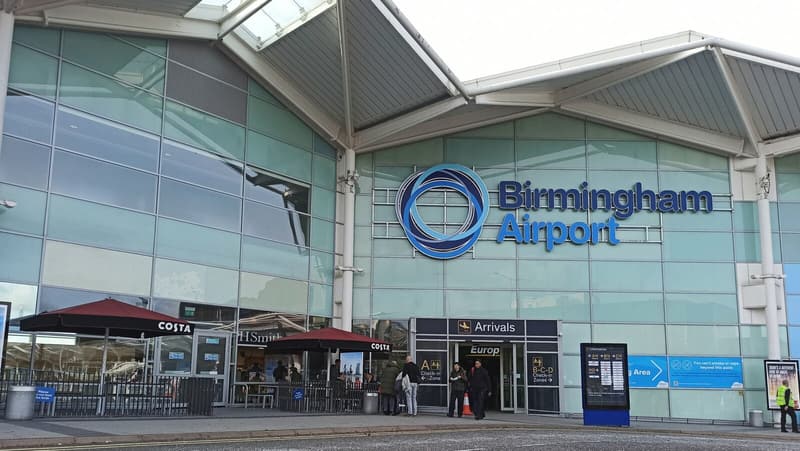
Among the affected locations was a controversial site in Guston near Dover, known as Dover white cliffs, which cost the taxpayer £28m despite remaining an empty field. Other expenditure included £17m for a planned facility at Birmingham airport, £20m across sites in Warrington and Ebbsfleet, and £5m for a location near Stansted at North Weald airfield. Additionally, Portsmouth port spent £23m on its border control post, receiving partial government funding but leaving the city council with a £6m shortfall.
Taxpayers lost at least £100m on zombie Brexit border inspection facilities that never became operational.
These figures contrast with the £4.7bn total cost of Brexit estimated by the National Audit Office last year, which encompassed software transformations and other customs systems. Meanwhile, primary operational sites such as the facility in Sevington accumulated significant capital and operational costs, while ports continue to call on the government to provide compensation for redundant infrastructure.
The revelation of wasted public funds highlights the administrative and financial fallout of inadequate border preparation following the UK's departure from the European Union. Local authorities and taxpayers bore the brunt of millions in sunk costs for facilities that ultimately saw little to no operational use.