UN Security Council deadlock leaves Western Sahara mission facing uncertain future
Representative photo · Photo: Wikiweeki / Wikimedia Commons, CC BY 4.0
Competing proposals from the United States and Russia failed at the UN Security Council, leaving the peacekeeping mission in Western Sahara facing an imminent mandate expiration.
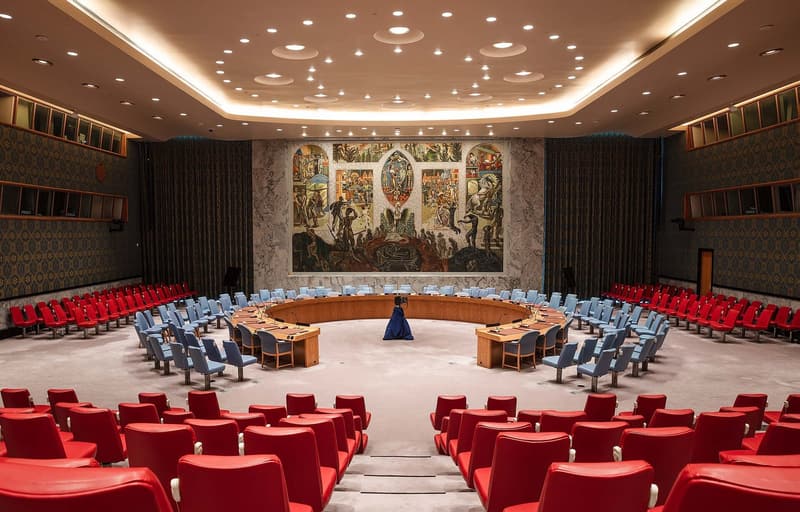
The future of the United Nations peacekeeping presence in the disputed territory of northwest Africa hangs in the balance following a diplomatic deadlock at the UN Security Council. Competing drafts introduced by Washington and Moscow both failed to pass, raising the prospect that the mandate for the long-standing operation could lapse before the weekend concludes.
The impasse began when Russia cast a veto against a proposal backed by the United States. Although the American text gathered support from eleven of the fifteen council members, the Russian opposition defeated it during Friday's session in New York. Following that defeat, a rival russian draft put forward by Moscow failed to accumulate the minimum of nine votes required for formal adoption.
The diplomatic collision over rivals
At the center of the dispute are fundamentally different visions for the territory's governance. The defeated American text sought a one-year extension for the peacekeeping operation while dropping the word referendum from its official title. Furthermore, that proposal aimed to make Morocco's autonomy plan the sole framework for future negotiations, placing the region under Moroccan sovereignty while leaving internal administration to local authorities.
US Ambassador Mike Waltz defended the American approach during the council meeting, noting that the voting process intended to resolve the region's future had remained stalled for decades. Conversely, Russian Ambassador Vassily Nebenzia argued that Moscow rejected the document because it demonstrated clear bias toward one party in the conflict. Russia instead advocated for a straightforward renewal of the existing mandate without structural alterations.
UN peacekeeping operations in Western Sahara face termination as competing proposals fail to secure council approval.
Regional actors reacted swiftly to the stalemate. Officials from Morocco's royal palace welcomed the collapse of the mandate renewal effort, asserting that UN personnel and equipment should now depart the territory. Meanwhile, the Polisario Front representative at the UN, Sidi Omar, expressed support for the Russian veto, arguing that the American text would have undermined the right of Sahrawi people to self-determination. The territory remains a former Spanish colony claimed by Morocco, whereas the Algeria-backed Polisario Front continues to seek an independent state named the Sahrawi Republic. The UN originally established the mission in 1991 to monitor a ceasefire and facilitate a self-determination vote, though disputes over voter eligibility halted the process.
Why it matters
The failure to secure an extension threatens to leave the disputed territory without international oversight as low-level hostilities persist. With the operational mandate set to expire imminently, the absence of a renewed agreement removes the primary framework monitoring the ceasefire and managing regional diplomatic engagement.
This breakdown in international consensus affects the stability of northwest Africa by removing the formal diplomatic mechanism that has attempted to navigate the sovereignty dispute for decades. As parties on the ground welcome or leverage the legislative paralysis, the lack of an active mandate heightens uncertainty for the civilian population and the future of regional talks.
Sources
More like this
Hundreds of Oleshky Residents Arrive in Belarus via Evacuation Mission
The Reality of Education Gaza Amid Ongoing Israeli Attacks

Lebanon charges 13 people over explosives linked to hezbollah israel conflict