US Inflation Higher Than Expected in October Amid Rising Costs
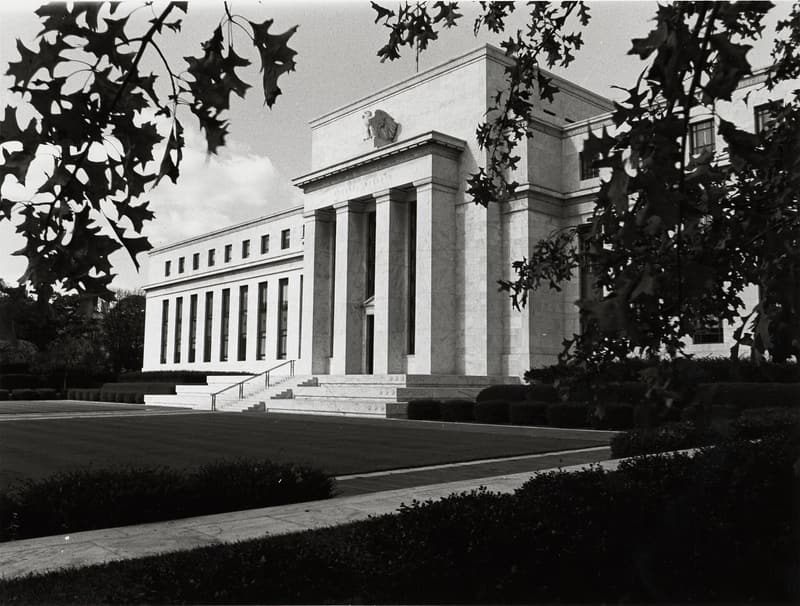
Representative photo · Photo: Federalreserve / Wikimedia Commons, Public domain
Official figures show US inflation rose by 0.4% in October, exceeding analyst expectations and potentially influencing future Federal Reserve interest rate decisions.
Official data reveals that US inflation rose at a faster-than-expected pace in October. While prices increased by 0.4% during the month, this remains lower than the 0.6% rise recorded in September. Despite the monthly deceleration, the outcome surpassed the 0.3% increase predicted by analysts. Because inflation is higher than expected, economists suggest this trend could strengthen the case for the Federal Reserve to implement an interest rate hike during its upcoming meeting in December.
Higher than expected inflation in October may prompt the Federal Reserve to raise interest rates in December.
Understanding Inflation Trends
The Bureau of Labor Statistics tracks inflation using the consumer price index (CPI), which measures price fluctuations across hundreds of daily essentials, including food, gasoline, and medical services. The index is periodically adjusted to reflect shifting consumer habits. Price growth is often influenced by supply and demand dynamics; for instance, when demand exceeds supply, producers may raise prices. Conversely, supply constraints—such as the impact of geopolitical conflicts on crude oil availability—can also drive costs upward.
In October, the 0.4% rise was primarily driven by increased costs in shelter, food, and energy. While energy prices rose by 0.7%, this was significantly lower than the 5.2% surge observed in September. The Federal Reserve maintains a 2% annual inflation target, and when price levels exceed this, the central bank typically raises interest rates to encourage saving and reduce spending.
The Impact of Trade Policy
Economic conditions are also being shaped by current trade policies. President Donald Trump has implemented a 10% global tariff on most trading partners following the Supreme Court's decision to strike down previous levies. Research from the Federal Reserve Bank of New York indicates that these import taxes, which businesses pay on foreign goods, directly contribute to higher prices for domestic companies unless overseas suppliers absorb the costs. These figures arrive just one week after midterm elections that were heavily focused on national cost-of-living concerns.
Why it matters
The rise in inflation directly impacts the purchasing power of consumers by increasing the cost of daily necessities like food and housing. For the broader economy, the higher-than-anticipated figures increase the likelihood of tighter monetary policy from the Federal Reserve.
If the Federal Reserve proceeds with an interest rate hike in December, it will likely lead to higher borrowing costs for businesses and individuals. This shift is designed to slow price growth by encouraging reduced spending, a move that carries significant implications for the US economic outlook.
Sources
More like this

Cider makers warn that rising costs threaten traditional UK orchards

Saudi Al Hobail Medical Seeks Indian Pharma Partners for Market Expansion

India Faces Higher Retail Inflation And Potential Interest Rate Hikes