US Midterms See Early Turnout Surge With Over 50 Million Votes Cast
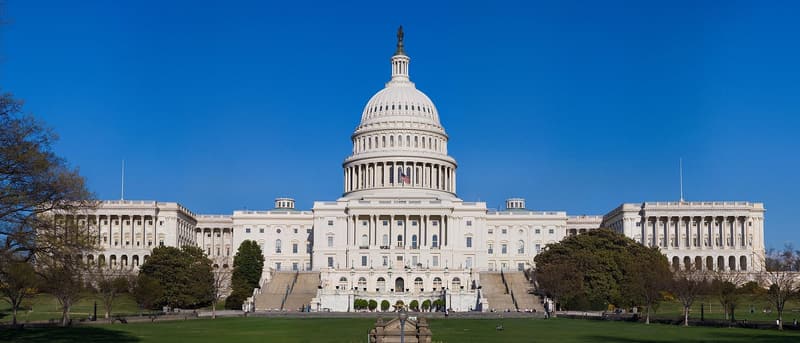
Representative photo · Photo: Noclip / Wikimedia Commons, Public domain
Early voting in the United States midterm elections surpasses 50 million ballots as voters head to the polls amid key national debates.
Voter participation has climbed sharply in the ongoing United States midterm elections, with data from a University of Florida analysis showing that more than 50 million citizens had cast their ballots by Sunday morning. Out of approximately 210 million registered voters nationwide, the total reached more than 53 million shortly before the final days of the cycle. This figure surpasses the 46 million early votes recorded at a similar point during the 2022 midterm elections.
The current totals include roughly 29 million in-person ballots and 23 million mail-in returns. Across the nation, virtually all states permit vote-by-mail options, while the vast majority also provide early in-person voting at designated stations. The availability of these pre-election participation methods has expanded significantly over recent decades, growing from 24 states in 2000 to 47 states alongside Washington, DC, by 2026. However, specific eligibility rules, operational procedures, and duration periods continue to vary considerably by jurisdiction.
Data indicates that enthusiasm among registered Democrats has been higher during this cycle, with over 11 million registered Democrats participating early compared to approximately 8 million registered Republicans. Texas has experienced a notable surge, registering more than seven million early voters—an increase exceeding 1.5 million compared to the previous midterms. Other regions have also documented substantial gains, including South Carolina, Kansas, Maine, and Michigan.
Early voting in the US midterms has surged past 50 million ballots cast ahead of Tuesday's polls.
Experts from the University of Maryland attribute the broad participation to several factors, including logistical convenience, voter mobilization efforts, and a desire to reduce Election Day anxiety. Social campaigns and community events at polling locations have further contributed to the atmosphere. Meanwhile, national polling suggests mixed standing for political parties as discussions continue regarding inflation, presidential tariff policy, and foreign policy decisions.
Why it matters
This robust pre-election participation directly impacts the trajectory of the legislative balance of power in the United States, influencing major economic and foreign policies. While turnout metrics do not guarantee specific outcomes, the high volume of million votes reflects deep engagement among the electorate on pressing national issues.
Sources
More like this
Dan Sullivan Vows to Accept Alaska Race Outcome as DOJ Lawsuit is Dismissed

UK Considers £450m EU Student Fees Plan for Made in Europe Access