Politics
Why Are Western States Still Counting Votes?
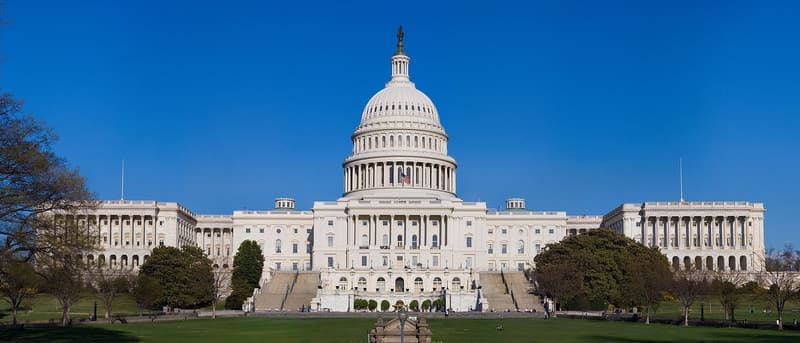
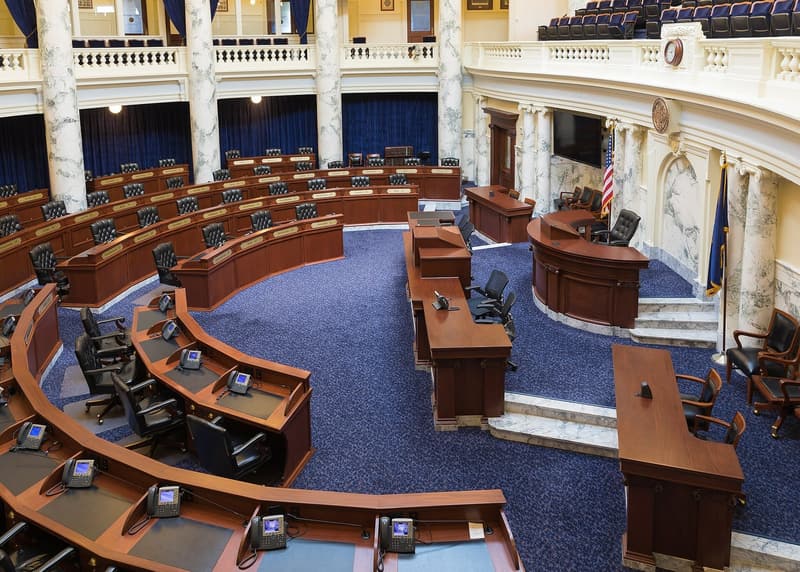
Representative photo · Photo: Frank Schulenburg / Wikimedia Commons, CC BY-SA 4.0
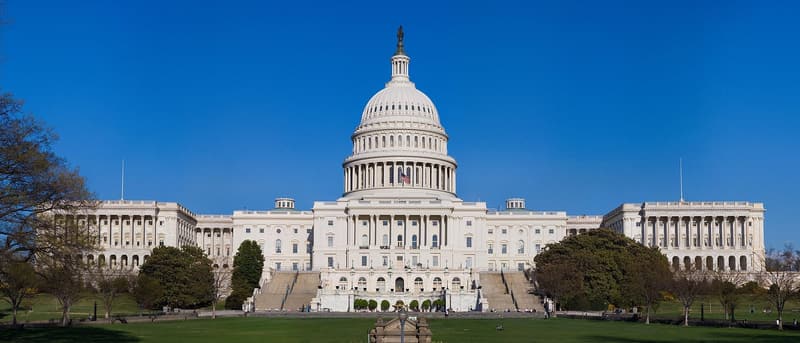
Representative photo · Photo: Frank Schulenburg / Wikimedia Commons, CC BY-SA 4.0
Following the conclusion of US midterm polls, why western coastal plains are submerged is not the issue, but rather why vote counting in western states continues for days.
As the United States midterm polls draw to a close, residents and observers are left questioning why vote tallies in several western regions remain incomplete. While internet users frequently search about topics like why western coastal plains are submerged, the current reality on the ground focuses entirely on the delayed electoral outcomes coming from the country's western states.
According to analysis by Zeena Aqel, the reliance on mail-in voting has fundamentally altered the timeline of American elections. What was originally designed as a method to provide greater convenience for voters has gradually transformed into a central point of contention. This voting mechanism is now deeply intertwined with ongoing national debates regarding public trust in the overall electoral process.
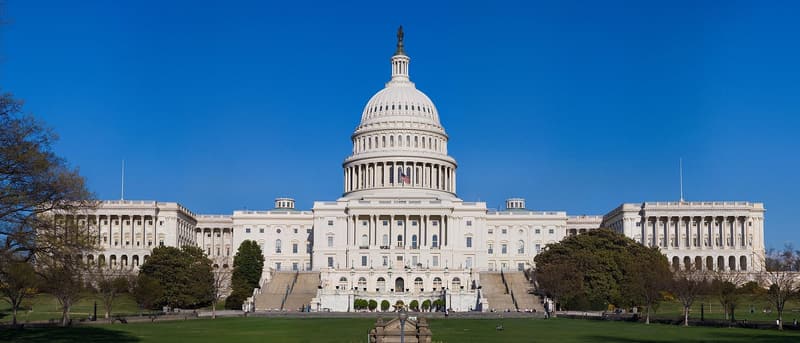
Vote counting in western US states can take days due to mail-in ballot procedures.
The extended duration needed to finalize results stems from the specific administrative processes required for processing mail-in ballots. Unlike in-person voting where machine tallies are nearly instantaneous, mailed ballots require signature verification, secure sorting, and careful processing by election workers. These necessary safeguards ensure accuracy but inherently extend the timeline required to produce final outcome numbers.
The ongoing delays in finalizing election results directly impact public perception and confidence in the democratic system. When outcomes remain uncertain for days following the close of polls, it creates an environment where questions regarding transparency and reliability can flourish across the nation.