Unresolved US Senate Races in Mississippi and Alaska Delay Final Election Results
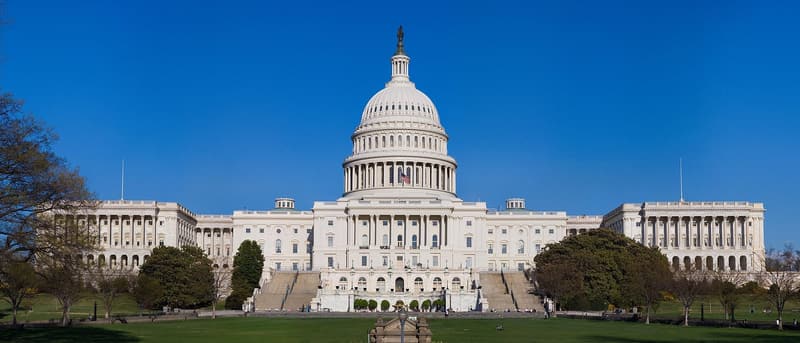
Representative photo · Photo: Noclip / Wikimedia Commons, Public domain
While Democrats have secured control of Congress, the final two Senate seats remain undecided in Mississippi and Alaska due to ongoing vote counts and complex electoral procedures.
Following a wave of victories that party leader Hakeem Jeffries described as an American tsunami, the Democratic Party has officially regained control of both chambers of the United States Congress. Despite this shift, the final composition of the 120th Congress remains incomplete as of Wednesday night, with two Senate contests still awaiting final results. Understanding What Mississippi and Alaska are going through is essential to grasping why these specific races remain in limbo.
In the traditionally Republican-leaning state of Mississippi, the race between incumbent Senator Cindy Hyde-Smith and challenger Scott Colom has become unexpectedly competitive. With 96 percent of ballots tallied, the candidates are neck-and-neck at approximately 49 percent each. Colom holds a narrow lead of 1,138 votes, but thousands of provisional and mail-in ballots remain outstanding. State officials have until November 13 to certify results, and because Mississippi lacks an automatic recount provision, any challenge would require a court order.
The Alaska Ranked-Choice Process
Meanwhile, the contest in Alaska is being influenced by the state’s unique ranked-choice voting system. Democrat Mary Peltola currently leads Republican Dan Sullivan by 637 votes, but with nearly a quarter of the ballots still uncounted, the final outcome could take weeks to determine. Under the ranked-choice model, voters rank candidates by preference. If no individual secures more than 50 percent of the initial vote, the lowest-performing candidate is eliminated, and their votes are redistributed to the second choices of those voters. This process continues until a majority is reached, with official results not expected until November 18.
The final Senate outcomes in Mississippi and Alaska remain pending due to ongoing ballot counting and election rules.
If Democrats win both remaining seats, they will reach a 56-seat majority in the 100-member Senate. This would reduce their reliance on Republican cooperation to overcome the filibuster, a procedural tool used by the minority party to stall legislation. Avoiding a filibuster typically requires a 60-member vote, making every seat critical for the party’s legislative agenda.
Why it matters
The resolution of these races will determine the strength of the Democratic majority in the Senate. A larger majority provides the party with greater flexibility to pass legislation without needing to secure support from across the aisle to bypass the filibuster.
For observers, these delays highlight the impact of specific state-level electoral procedures, such as ranked-choice voting and varying deadlines for processing mail-in and provisional ballots, on the timeline of national political outcomes.
Sources
More like this
Vote Counting Underway in South Africa Municipal Elections
Trump now: Analyzing the fallout from the Republican midterm election losses

Election deniers lose key governor races in US swing states