US Midterms and What Trump Wants From Iran
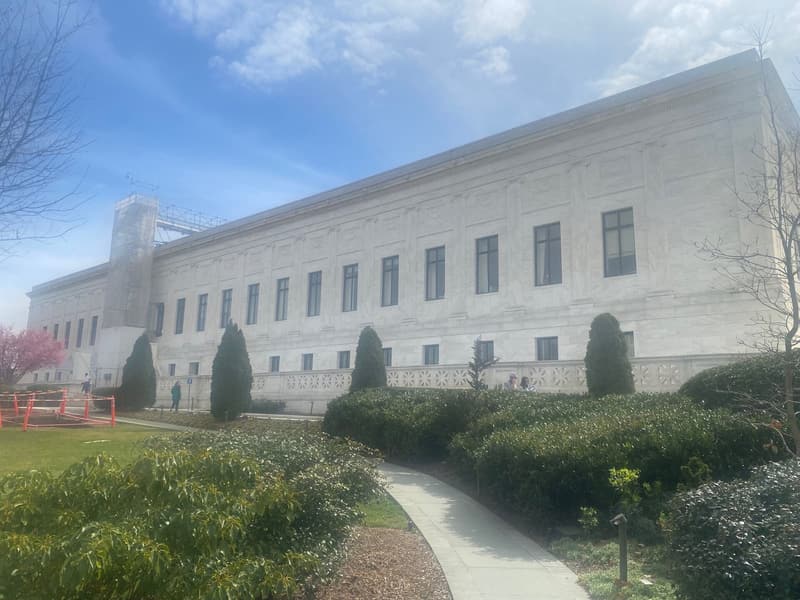
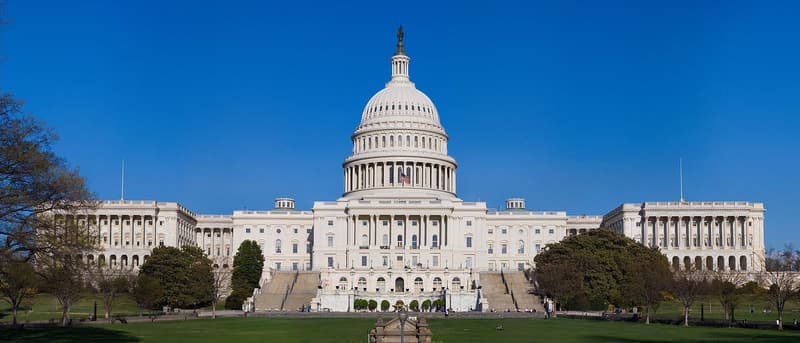
Representative photo · Photo: Noclip / Wikimedia Commons, Public domain
As the US Republican Party enters midterm elections, analysts examine eight factors that could tip the balance toward war or peace with Iran.
As the US Republican Party enters the midterm elections, the administration of Donald Trump faces a critical juncture regarding the ongoing conflict. With the current leadership seemingly unable to achieve a military victory or a diplomatic resolution, the outcome of the vote could alter the political landscape. Analysts from various think tanks and universities have highlighted key elements that could determine whether tensions escalate further or move toward a diplomatic path.
Omid Memarian of the DAWN think tank, political scientist Leila Morovati, and international relations professor Babak Rezaeedaryakenari shared insights on the situation. A Democratic victory might push the administration to pivot toward domestic concerns and reveal the financial burdens of the conflict in Congress, though limited military strikes could persist without a formal declaration. Memarian noted that unconventional political behavior from the leadership increases the risk of renewed attacks, while Rezaeedaryakenari emphasized that presidential authority in foreign policy remains broad regardless of congressional pressure.
Meanwhile, political uncertainty in Israel following its recent election deadlock adds another layer of complexity. With Prime Minister Benjamin Netanyahu leading without an outright majority, the transition period is viewed as particularly fragile. Analysts suggest that while a change in government might alter coordination and timing with Washington, Israel's core security establishment and ruling coalition would still influence the potential for confrontation.
The nuclear program remains central to the diplomatic standoff. Washington rejects the narrative that the program is strictly for civilian use and demands initial concessions, whereas Tehran insists on the lifting of sanctions and the release of frozen assets before talks begin. Without a shared agenda, analysts warn that both sides risk continuously escalating tensions.
Unresolved nuclear disagreements and political shifts could determine whether US-Iran tensions escalate into war.
Regional dynamics, including restrictions in the Strait of Hormuz and actions by Houthi rebels in Yemen, also contribute to the broader picture. While Iran has cut energy exports through the naval chokepoint as leverage, experts note that such restrictions alone might not trigger a wider war unless Washington uses an incident as a pretext for a broader strike or opts instead for an economic blockade.
Why it matters The outcomes of the US midterm elections and ongoing international negotiations carry significant weight for global stability, energy markets, and regional security. How leaders navigate nuclear demands, political transitions, and strategic chokepoints like the Strait of Hormuz will directly shape the future of diplomatic relations and economic security worldwide.
Sources
More like this

Judge Dismisses Case Against Two Officials Accused of Lying About Hunter
Trump and Vance Make Final Push in Tight Midterm Elections
Trump Iowa Steel Mill Announcement Sparks Skepticism Before Midterms