How Democrats Are Changing Their Approach to Climate Policy
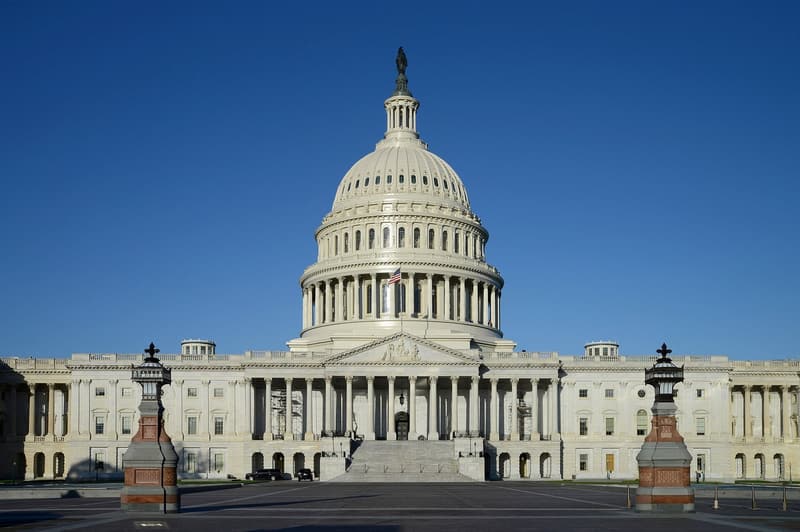
Representative photo · Photo: Noclip / Wikimedia Commons, Public domain
As Democrats shift their campaign focus from global warming to household affordability, analysts examine what their climate policy would look like in Congress.
Amid frequent extreme weather events across the country, political messaging around global warming has shifted significantly. For US Democrats, addressing climate policy is now increasingly framed around energy bills rather than traditional environmental campaigns. Candidates are packaging climate goals as an affordability issue, stressing how voters struggle with household expenses and insurance costs for weather extremes.
Political analysis shows that Democratic messaging has dramatically reduced direct mentions of global warming. Instead, candidates focus on lowering electricity costs, providing emergency relief for high utility bills, creating energy sector jobs, and forcing data centers to pay for their own grid upgrades. Experts note that climate policy does not necessarily need to carry the climate label to be effective.
Democrats Climate Change Priorities Shift
With forecasts projecting a Democratic House and a narrow Senate majority following the November election, passing major new laws will require bipartisan cooperation. Analysts do not expect a full resurrection of past clean energy legislation like the Inflation Reduction Act, which was largely scaled back under President Donald Trump. However, lawmakers might seek to restore specific provisions aimed at cutting household costs, such as incentives for energy-efficiency upgrades, heat pumps, and extended manufacturing tax credits for solar and battery components.
Climate policy is being repackaged as an affordability issue focusing on household energy bills.
Congress is also weighing a bipartisan reform bill aimed at streamlining complex permitting rules to accelerate major infrastructure projects, including long-distance transmission lines. While this would help move cheap wind and solar power from remote areas to cities, environmental groups warn it could also speed up fossil fuel approvals.
Looking ahead toward future federal legislation, data centers have emerged as a central point of discussion. The rapid expansion of energy-guzzling infrastructure for the artificial intelligence boom has sparked public opposition, with proposals circulating to pause construction or tax electricity usage.
Why it matters
The shift in Democratic messaging changes how environmental policies are debated and enacted in the United States, linking green initiatives directly to cost-of-living concerns for everyday households. This approach shapes future legislative battles over energy grids, utility rates, and infrastructure development.
Sources
More like this
Can Americans Find Common Ground Despite Deep Political Divisions?

Israel Arab parties emerge as kingmakers after election results

Burnham Declines to Say Net Migration Is Too High Amid Shabana Mahmood ILR Changes