Which Republicans are running for minority leadership roles in Congress?
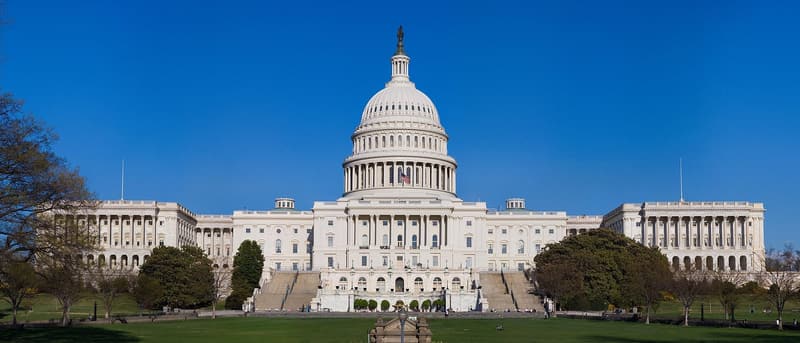
Representative photo · Photo: Noclip / Wikimedia Commons, Public domain
Following midterm losses, congressional Republicans are holding elections on Tuesday to choose their legislative leadership teams for the upcoming session.
The political landscape in Washington, DC has shifted following recent midterm elections that ended the Republican Party’s control over Congress. With Democrats preparing to assume majorities in both legislative chambers this January, the GOP is organizing leadership elections for the final two years of Donald Trump’s presidency. In the House and Senate, lawmakers are voting to select officials who will coordinate legislative strategy, act as chief spokespersons, and present a united front for the party.
Several prominent lawmakers have emerged as candidates for key positions, though the exact roster of which Republicans are running for minority leadership roles varies by chamber. In the House, the race for minority leader features a contest between longtime rivals Steve Scalise of Louisiana and Jim Jordan of Ohio. Scalise is running on his extensive experience in leadership to guide the party through its return to the minority. Meanwhile, Jordan is campaigning on a more aggressive approach to challenge the Democratic majority and manage oversight investigations into the Trump administration.
The contest for House minority whip involves current majority whip Tom Emmer of Minnesota, who seeks to retain his post by emphasizing party unity, and August Pfluger of Texas, who is calling for fresh ideas to help the party regain the House in 2028. In the Senate, John Thune of South Dakota is seeking to retain his position as leader, transitioning to minority leader when Democrats take control. He has faced no public challengers so far, while John Barrasso of Wyoming is expected to seek another term as the second-ranking Senate leader, despite a push from Ron Johnson of Wisconsin to delay the vote.
Congressional Republicans are holding leadership elections after losing their majorities in both legislative chambers.
Why it matters
These leadership selections determine how the Republican Party will organize, communicate, and negotiate against Democratic majorities controlling at least 54 seats in the Senate and 254 in the House. The chosen leaders will shape the legislative agenda, direct party messaging, and coordinate responses to administration investigations during the final years of Donald Trump's presidency.
Sources
More like this

Paraguay former president’s mansion raided in banking scandal investigation
US Deports Lebanese Consul-General in Detroit Over Past Hezbollah Praise

Ousted Prime Minister Sheikh Hasina Seeks Passport for Return