Why data breaches are surging in Singapore and the role of AI in cyber threats
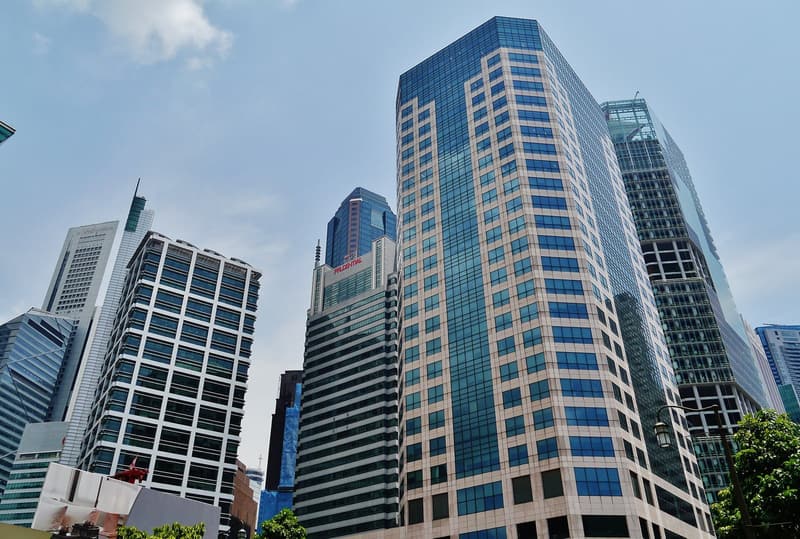
Representative photo · Photo: Zairon / Wikimedia Commons, CC BY-SA 4.0
Singapore is facing an unprecedented wave of data breaches as AI-driven attacks exploit system vulnerabilities faster than companies can patch them.
Many people often ask why Singapore is famous for its digital infrastructure, yet the nation is currently grappling with an unprecedented spate of data breaches. Over the past month, high-profile organizations including SPH Media, M1, Doctor Anywhere, and Fullerton Health have reported incidents where sensitive customer information was exposed. While direct banking details remained largely secure, the leaks involved personal identifiers such as NRIC numbers, full names, and birth dates, providing criminals with the tools needed for sophisticated impersonation and social engineering scams.
The AI-Driven Threat Landscape
The surge in cyberattacks is largely attributed to the integration of artificial intelligence, which has significantly accelerated the discovery of system vulnerabilities. According to the Google Threat Intelligence Group, the number of disclosed vulnerabilities more than doubled in 2026, rising from 5,045 in January to over 10,740 by August. Furthermore, Mandiant’s M-Trends 2026 report indicates that the mean time to exploit a vulnerability has reached negative seven days, meaning attackers are frequently compromising systems before vendors can release necessary security patches.
AI-powered cyberattacks are exploiting system flaws faster than companies can deploy security patches.
These automated threats have rendered traditional "security through obscurity" strategies obsolete. Experts note that delaying software upgrades to save costs is no longer a viable gamble. As threat actors use AI for rapid reconnaissance, cyberdefenders are increasingly forced to make containment decisions under extreme time pressure, often with incomplete forensic data.
In response, the Singapore government is urging organizations to adopt AI for defense. During the Singapore International Cyber Week, officials emphasized the need to act at the speed of the threat. The Cyber Security Agency of Singapore (CSA) has already begun funding local projects focused on AI-powered threat-hunting tools to help businesses counter these automated, large-scale attacks.
Why it matters
This shift in the threat landscape marks the end of an era where businesses could rely on a buffer of time to manage security updates. The trend affects any organization relying on digital infrastructure, as the speed of exploitation now outpaces human intervention.
For readers in South Asia and beyond, these events highlight the global nature of cyber risks. As AI lowers the barrier for entry for malicious actors, the necessity for automated, AI-driven defense mechanisms becomes a critical requirement for maintaining data integrity in an interconnected world.
Sources
More like this

The Rise of Housefishing: When AI Property Images Become Misleading

Microsoft Outage Disrupts Outlook, Teams and Services

Microsoft Restarts Servers Following Global Microsoft 365 Outage