Smoky Bacon Crisps and EU Rules: Why Smoky Flavours Spark Political Debate
Representative photo · Photo: Ank Kumar / Wikimedia Commons, CC BY-SA 4.0
Proposed alignment on EU food standards brings questions over the naming and labelling of popular British snacks like smoky bacon crisps.
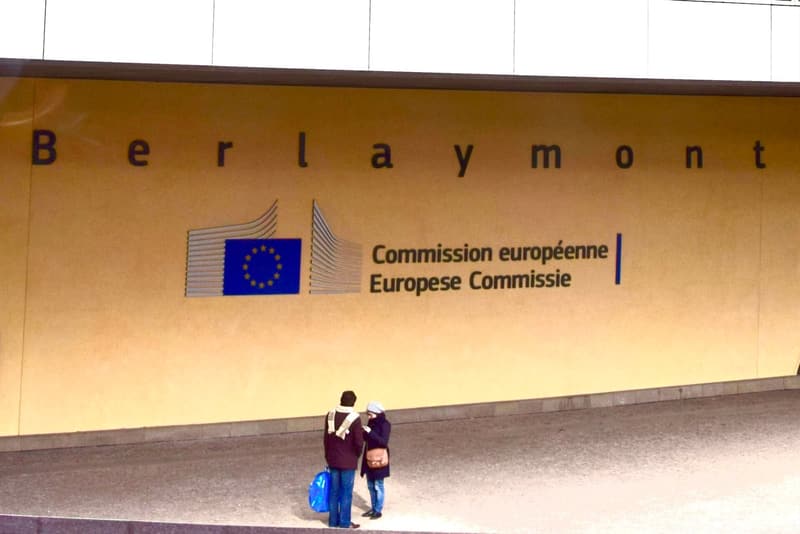
Efforts by the British government to establish closer trade ties with the European Union have unexpectedly cast a spotlight on the future of traditional snack labels, raising questions over why smoky bacon crisps and other seasoned treats could face regulatory challenges. Ministers are currently negotiating a food standards agreement designed to cut trade costs for companies dealing with Europe. While officials have emphasized the broader economic benefits of the upcoming pact, the requirement to adopt EU food regulations has reignited sovereignty debates.
Angela Eagle, the Environment Secretary, dismissed questions regarding snack rules during a recent radio interview. However, the situation highlights political vulnerabilities for the administration as critics point to Britain acting as a rule-taker from Brussels without a role in shaping those policies. This regulatory friction follows previous concerns over artificial smoke flavourings and coincides with a wider European initiative regarding meat-related marketing terms.
Under regulations adopted by the EU, authorities plan to restrict thirty-one descriptors—including bacon, steak, and chicken—to products containing actual meat. The European snack industry is currently seeking clarity on how these restrictions will apply to vegetarian or meat-flavoured crisps that lack animal extracts. Because the UK government expects these regulations to fall within the scope of its proposed food standards deal, similar requirements could apply to products sold in Britain, potentially necessitating relabeling for popular snack varieties.
Proposed EU food regulations could force the relabelling of popular meat-flavoured snacks in Britain.
The European Commission holds the power to create exemptions for long-standing food descriptions, though Brussels has not yet clarified how this authority will affect snack products. Meanwhile, industry representatives have voiced mixed reactions. The Food and Drink Federation supports reducing trade barriers but emphasizes the need for the UK to ensure British interests are reflected in EU decisions. The Potato Processors' Association is monitoring the developments closely to prevent unintended consequences for established product descriptions.
Why it matters
The proposed food standards agreement alters how British manufacturers trade with Europe by aligning UK regulations with European standards. This affects domestic snack producers, major brands, and consumers who rely on established product labeling, highlighting the practical challenges of regulatory alignment after Brexit.
Sources
More like this

Several Democrats and Sanders Renew Calls for Datacenter Pauses

Houston limits cooperation with federal immigration authorities

Tanzanian Opposition Leader Tundu Lissu Jailed in Politically Motivated Case