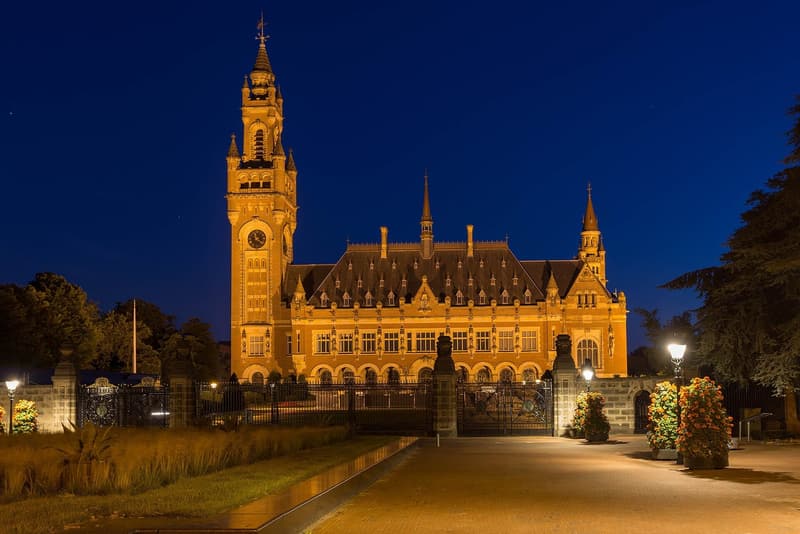
International Court of Justice to Rule on Myanmar Genocide Allegations
Representative photo · Photo: Jiuguang Wang from San Francisco, CA, Un / Wikimedia Commons, CC BY-SA 2.0
The ICJ will deliver a landmark judgment this Thursday on whether Myanmar committed genocide against the Rohingya minority during a 2017 military campaign.
The International Court of Justice (ICJ) is set to deliver a historic judgment this Thursday regarding allegations that Myanmar committed genocide against its Rohingya minority. This ruling represents a significant moment for the World Myanmar legal discourse, as the court evaluates whether state-led actions against the group violated the 1948 UN genocide convention. For nearly a decade, the international community has grappled with the aftermath of a massive military operation that forced hundreds of thousands of Muslim Rohingya to flee across the border into Bangladesh.
The ICJ will rule on whether Myanmar committed genocide against the Rohingya in a landmark decision.
Understanding the World Myanmar Legal Case
For seven years, judges at the Hague have examined evidence presented by the Gambia, a Muslim-majority nation, accusing Myanmar of systematic repression. A central challenge in the proceedings has been establishing "intent," as the legal definition of genocide requires proof of acts committed with the purpose of destroying, in whole or in part, a specific ethnic or religious group. Legal representatives for survivors argue that patterns of conduct, including the burning of villages, sexual violence, and the targeted killing of civilians, demonstrate a clear intent to eliminate the Rohingya population.
Myanmar has consistently denied these accusations, maintaining that its military operations were a response to guerrilla-style attacks initiated by Rohingya insurgents. However, witness testimonies provided during closed-door sessions in January painted a harrowing picture of violence, with survivors describing the systematic destruction of families and communities. Experts involved in the case emphasize that sexual violence, in particular, was used as a tool to brand and mutilate victims, effectively preventing reproduction and furthering the goal of destroying the group.
While previous ICJ cases concerning atrocities in the Balkans did not result in a direct finding of genocide against a state, this ruling could establish a critical 21st-century benchmark. The outcome carries immense weight for the Rohingya survivors and families seeking accountability for the atrocities they endured.
Why it matters
This judgment is widely considered one of the most significant moments in international law since the end of the second world war. As the ICJ has never before found a state responsible for genocide, the decision will set a vital precedent for future international justice efforts, including a separate high-profile genocide case currently pending against Israel.
Sources
More like this

World Leaders Gather in Asia for Back-to-Back Diplomatic Summits
Woman Seriously Injured After Monkey Attack in Gujarat Residential Complex
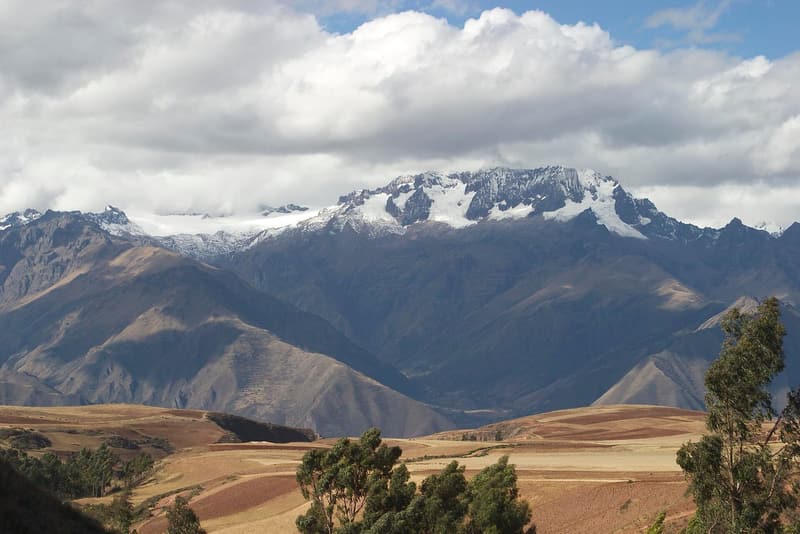
Pope Leo XIV addresses community suffering in remote Peruvian Andes town