Young Germans Protest Against Military Conscription Plans
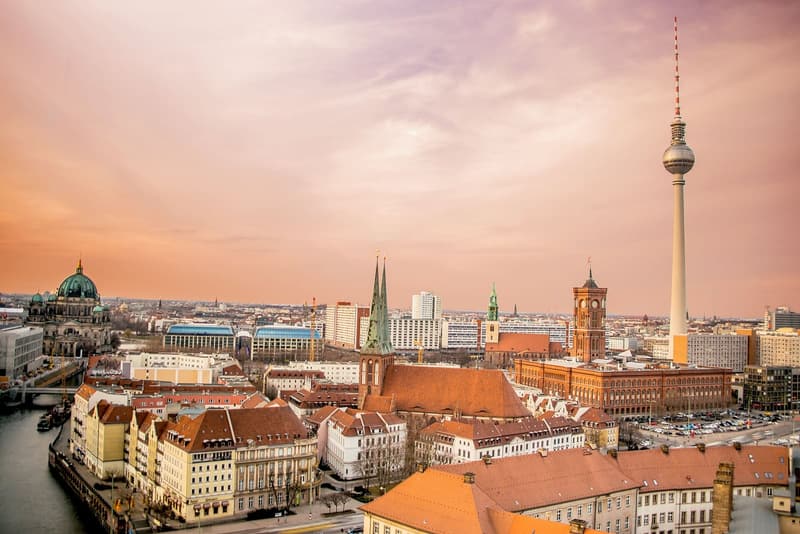
Representative photo · Photo: 2197494 / Wikimedia Commons, CC0
Thousands of young Germans are mobilizing against military conscription as the government expands its armed forces following the invasion of Ukraine.
Across Germany, a growing movement of students and young citizens is voicing opposition to the government's recent push for military expansion. As many young Germans express concerns about their futures, a loose alliance known as Gen Z Regelt has organized a series of protests, with nearly 20,000 participants expected to rally across 40 cities this Friday to voice their resistance against compulsory military service.
The tension follows the implementation of the Military Service Modernisation Act on January 1, which aims to grow the Bundeswehr to 260,000 full-time personnel and 200,000 reservists by the mid-2030s. As part of this drive, the military has sent out nearly 600,000 letters this year to young people. While only men are legally required to complete the registration form, the process has sparked significant anxiety among the youth.
Phil Werring, an 18-year-old student from Muenster, described the experience of receiving the mandatory questionnaire as alarming. He noted that the form requested personal health and lifestyle information, warning of a 250 euro fine for non-compliance. For many, this process serves as a stark reminder of the government's commitment to reintroducing compulsory service, a prospect that has fueled widespread frustration.
Thousands of young Germans are protesting against the revival of mandatory military service and increased defense spending.
Concerns over education and social priorities
Beyond the fear of conscription, students are highlighting a perceived imbalance in government spending. Linus Schneider, a 16-year-old from Munich, pointed to the deteriorating state of school infrastructure, citing leaking roofs and a lack of funds for basic repairs. He and other activists argue that while the federal government plans to increase defense spending to nearly 110 billion euros by 2027, budgets for education and family services are facing cuts.
Sociologist Sebastian Koos of the University of Konstanz notes that the movement is driven by a sense of hopelessness. He explains that young people are grappling with a complex array of issues, including economic inequality, the rising cost of living, and climate change. For students like Werring, who hopes to pursue a career in the medical sector, the prospect of military service feels like an unwanted interruption to their personal and professional goals.
Why it matters
The reintroduction of military registration and the focus on defense expansion mark a significant shift in German policy following the 2022 invasion of Ukraine. This development affects the future of an entire generation, forcing a national debate on the balance between national security and social investment in education and healthcare.
Sources
More like this

Lion Academy Trust pays compensation after Prevent threat over Palestine badges

Beau Lamarre-Condon Trial: Prosecution Dismisses Claims of Panic

Iraq University’s Removal of Male Professors Teaching Women Sparks Weeks of Protests