Climate Funding Tension Rises at Africa Europe Discussions
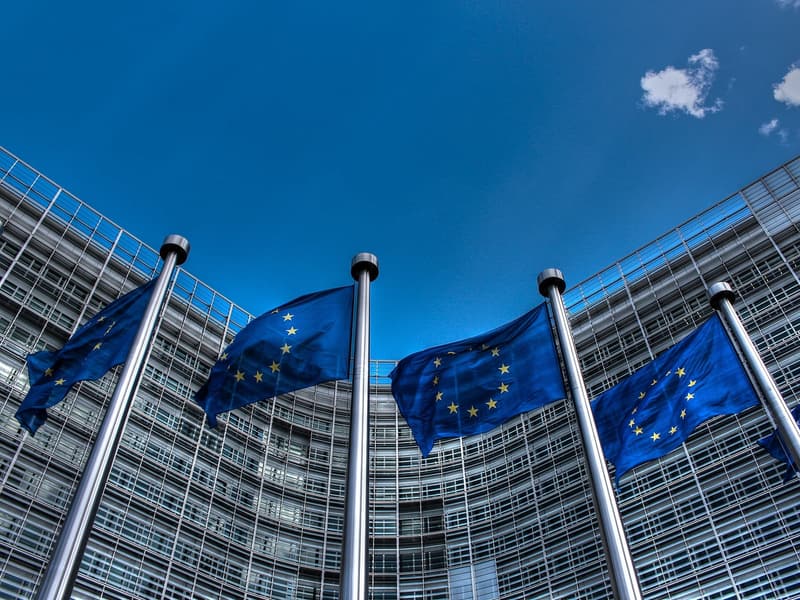
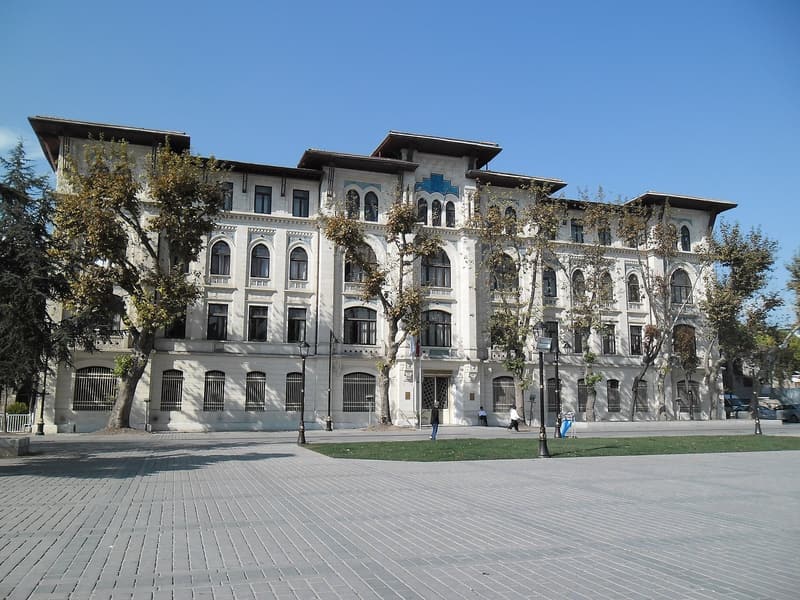
Representative photo · Photo: Thijs ter Haar / Wikimedia Commons, CC BY 2.0
African nations demand tripled climate finance at COP31, but the EU insists on deploying existing pledges rather than creating new targets.
Delegates at the UN climate summit in Turkey find themselves divided over how to finance climate adaptation for vulnerable nations, with discussions touching on relations between Africa Europe and the international community. African negotiators are pushing for adaptation finance to be significantly increased by the year 2035, aiming to triple funds from a baseline commitment originally set for 2025.
The push for additional resources comes as local populations face severe weather disruptions. In Uganda's northern Karamoja region, prolonged droughts have ruined rain-fed agriculture, leaving residents facing extreme food shortages. Local community workers note that cyclical droughts have impacted the area for decades without adequate action plans in place.
Meanwhile, nations further south face compounding crises of storms and floods. In Malawi, families have been displaced by severe flooding shortly after recovering from previous cyclones. Government records indicate that the country has experienced dozens of major weather disasters over the past several decades, affecting millions of residents.
Despite the clear vulnerabilities, dozens of African countries have yet to submit their formal National Adaptation Plans to the UN climate convention secretariat. Experts point out that these official documents are essential for detailing specific risks and securing international financial assistance.
Existing climate finance pledges must be fully deployed before new funding targets are established.
In response to demands for increased capital, the European Union maintains that the priority should be ensuring that previously promised funds actually reach the affected regions. Representatives leading the EU delegation at the summit stated that no additional money is currently being brought to the table, emphasizing that the focus must remain on proper deployment and improving access mechanisms.
Why it matters
The debate over climate finance highlights a major gap between the financial needs of vulnerable regions and the delivery mechanisms of developed nations. Without finalized adaptation plans and better fund deployment, communities facing severe droughts and floods struggle to secure the resources required for resilience.
This funding standoff directly affects policy discussions at global summits, determining how climate adaptation is financed across developing nations and influencing international aid strategies.
Sources
More like this
US Army Uses Emergency Rules to Detonate Chemical Waste in Iowa
Mystery of the red stream in Turkiye investigated
COP31 climate summit ends in deadlock over fossil fuel language