COP31 climate summit ends in deadlock over fossil fuel language
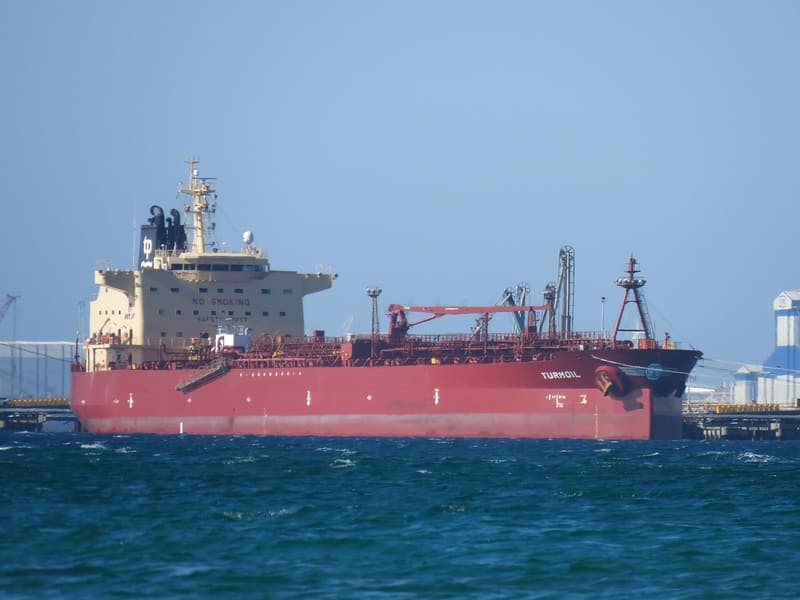
Representative photo · Photo: Филип Романски / Wikimedia Commons, CC BY-SA 3.0
The COP31 summit in Turkey concluded without a major pact after negotiators failed to bridge the divide between petrostates and nations demanding a clear commitment to transition away from fossil fuels.
The COP31 summit, held in Turkey, has concluded as the longest UN climate conference in history, ending in a stalemate that left Australian climate change minister Chris Bowen navigating a difficult path between competing global interests. As the event concluded, it became clear that the primary ambition—an 'Antalya pact' designed to accelerate renewable energy investment and support developing nations—could not be realized due to fundamental disagreements over how to address the primary driver of global heating: fossil fuels.
Understanding the COP31 fossil fuels deadlock
Negotiations were marked by conflicting 'red lines.' Many nations insisted that any final agreement must explicitly mention the need to 'transition away from fossil fuels,' a commitment previously established at the Dubai summit. Conversely, a group of nations, including Saudi Arabia, vehemently opposed the inclusion of the term. In an attempt to find a middle ground, a draft was proposed that would 'recall' the Dubai decision without explicitly naming fossil fuels. This compromise was rejected by a coalition of countries including the European Union, Panama, and several Pacific island nations, who deemed the omission unacceptable.
The COP31 summit failed to reach a consensus on fossil fuel language, stalling key climate investment goals.
Minister Bowen, who served as a president of the negotiations, spent the final days in intense, sleepless discussions. Despite his efforts, he acknowledged that the divide was 'unbridgeable.' While he noted that a target for 35% of energy to come from electricity by 2035 garnered support from over 90 countries, the lack of consensus on the core text prevented the adoption of the overarching pact. Bowen maintained that the global transition away from fossil fuels remains inevitable, regardless of the summit's specific outcome.
The failure to reach an agreement has sparked debate regarding the efficacy of the UN climate process. Critics, including former US vice-president Al Gore, have argued that the requirement for total consensus allows a handful of petrostates to hold the process hostage. Conversely, some Pacific leaders, such as Fijian climate minister Lynda Tabuya, expressed solidarity with Bowen, noting that the responsibility for the failure rests with all parties rather than any single individual.
Why it matters
The collapse of the Antalya pact highlights a growing fracture within international climate diplomacy, exacerbated by geopolitical tensions and energy security concerns. For the global community, including nations in South Asia that are highly vulnerable to climate-related impacts, this deadlock signals that the current consensus-based model may be struggling to keep pace with the urgent need for action against rising temperatures.
Sources
More like this
COP31 climate summit ends without deal amid deep divisions
International climate change conference concludes without agreement in Turkey
Australia Urged to Reduce Reliance on Imported Fossil Fuels