How did AIPAC-backed candidates fare in the US midterm elections?
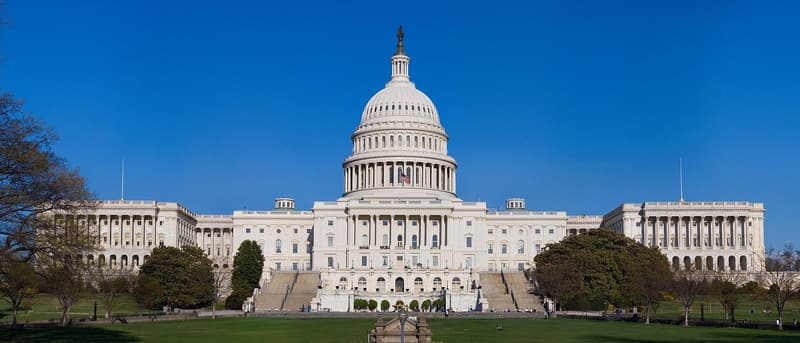
Representative photo · Photo: Noclip / Wikimedia Commons, Public domain
Pro-Israel lobbying group AIPAC backed many winning candidates in the US midterms, yet nearly two-thirds of its spent funds went to losing campaigns.
In the United States midterm elections, political spending by the American Israel Public Affairs Committee (AIPAC) and affiliated groups played a complex role across numerous races. Nearly a year before winning a US Senate seat from Texas, James Talarico rejected campaign funding from AIPAC, stating that the situation in Gaza affected him deeply. On November 3, Talarico secured a victory by more than 12 percentage points, while pro-Israel groups offered modest support to his opponent, Ken Paxton. Talarico’s open rejection highlights a broader shift in US politics, where candidates increasingly question taking funds from the lobbying group.
Across the country, AIPAC and linked political spending groups poured tens of millions of dollars into various campaigns. While the group backed many victorious candidates, nearly two-thirds of the total money it spent during the election cycle went to candidates who ultimately lost. According to a tally by the Quincy Institute for Responsible Statecraft, around $55m of the $84m spent by AIPAC, the United Democracy Project (UDP), and related groups went to candidates who did not win. Trita Parsi of the Quincy Institute noted that candidates increasingly find AIPAC donations toxic and are actively rejecting them.
Notable Races and Losses
The most notable defeat for an AIPAC-backed candidate occurred in a Michigan Senate race, where the group and affiliated PACs spent roughly $30m on Democrat Haley Stevens during her primary bid, followed by $9m supporting Republican Mike Rogers. Rogers ultimately lost to Abdul El-Sayed, a critic of Israel. In Maine, AIPAC-linked groups contributed over $4.8m to Senator Susan Collins, who lost her re-election bid to Democrat Troy Jackson. In California, Melissa Hernandez received more than $6m from UDP and other pro-Israel groups but lost her House race to Aisha Wahab, a left-leaning candidate who has frequently criticized Israel.
Conversely, pro-Israel groups successfully supported candidates in several primary races to ensure nominees were not overly critical of Israel. In Missouri, AIPAC-related groups provided over $3m to support Representative Wesley Bell, who won a House seat on November 3 after defeating Cori Bush in a primary rematch. George Latimer was also re-elected in New York following earlier primary support that helped oust Jamaal Bowman. Meanwhile, J Street, a separate Jewish American group, stated it backed more than 200 candidates with over $13m in funding, aiming to support candidates offering a more moderate view on Israel.
AIPAC-backed candidates won many races, but nearly two-thirds of its total election spending went to losing campaigns.
Why it matters
Many candidates backed by the pro-Israel lobbying group still won their respective races, but the majority of the money spent by the organization went to candidates who ultimately lost. This dynamic reflects changing voter sentiment and growing hesitance among some candidates to accept funding from the group due to foreign policy concerns and domestic political shifts.
Sources
More like this

Malaysia King Warns Over House Arrest for Najib Razak

Victoria Premier Ben Carroll Faces Big Building Inquiry During Election

Latvian Farmers Protest Over Russian Grain Transit