Armenia's political arrests spark concerns over democracy and EU ties
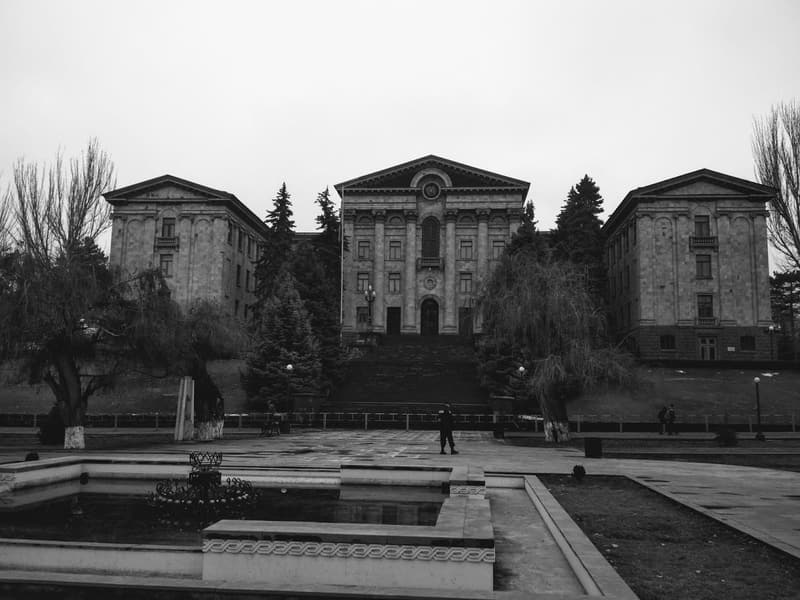
Representative photo · Photo: Ավետիսյան91 / Wikimedia Commons, CC BY-SA 4.0
Armenian authorities face criticism for targeting opposition figures over social media posts, raising concerns about selective justice and EU relations.
In early October, the leader of the Adekvad opposition party in Armenia was detained following social media posts that criticized Prime Minister Nikol Pashinyan and the country's security services. The incident highlights a broader pattern where authorities have brought charges against multiple political opponents over the past two years, primarily due to their online activity. Representatives from local civil society organizations have strongly condemned these actions, warning of a concerning trend toward democratic backsliding and political targeting.
The grounds for the recent arrest involved sharp criticisms directed at Pashinyan regarding his position on a potential prisoner exchange. The prime minister had previously ruled out swapping an imprisoned Azerbaijani soldier for Armenian detainees held in Baku following the 2023 conflict over Nagorno-Karabakh. Civil society groups issued a joint statement denouncing the prosecution as politically motivated and designed to silence dissenting views and critical speech.
Additional criminal proceedings have targeted various activists and individuals who voiced criticism against the administration. Ahead of parliamentary elections, a displaced activist from Nagorno-Karabakh was arrested following a verbal altercation with the prime minister concerning regional policies. While legal actions have frequently targeted critics of the ruling establishment, monitoring reports indicate that hostile online rhetoric directed toward displaced refugees by pro-government supporters has largely avoided similar law enforcement scrutiny.
Selective prosecutions of opposition figures in Armenia raise serious questions about democratic backsliding and strategic pragmatism.
Despite official commitments to strengthen cooperation with European partners, observers note that Brussels has maintained a pragmatic and geopolitically driven stance. Analysts suggest that because the alternative to the current administration involves a pro-opposition landscape with historical ties to Moscow, international responses remain muted. European experts emphasize that foreign support largely focuses on diminishing Russian influence in the region rather than thoroughly addressing internal judicial standards.
Why it matters
The ongoing legal actions against political opponents and activists in Armenia highlight the tension between geopolitical strategy and domestic democratic standards. As international partners prioritize broader regional stability, local civil society warns that overlooking selective enforcement may undermine fundamental rights and long-term democratic governance in the country.
Sources
More like this
South Africa's ANC Records Historic Low in Municipal Elections
Nithya Raman Wins Los Angeles Mayor Race
Vetting candidates proves difficult for Reform UK amid rapid expansion