European-Made Pesticides Linked to 1,605 Poisoning Reports in Brazil
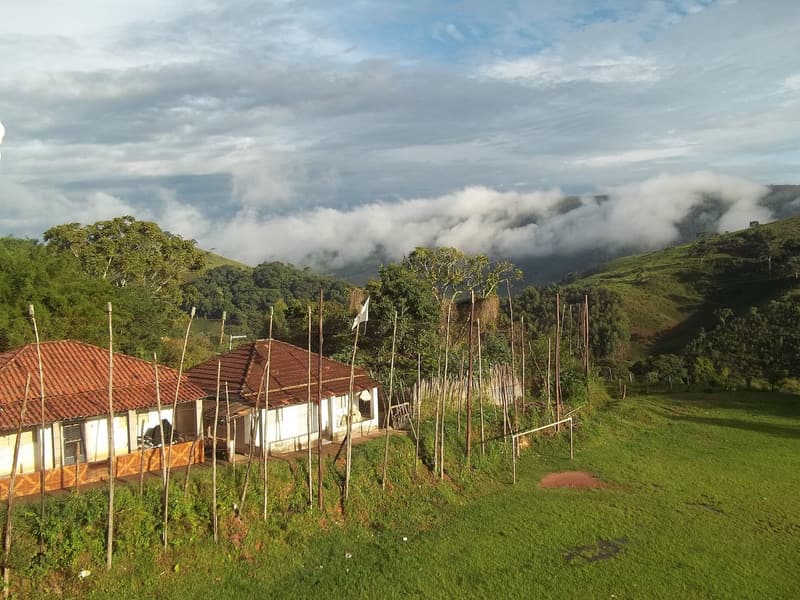
Representative photo · Photo: Comilão / Wikimedia Commons, CC0
An investigation reveals that European-made pesticides, including chemicals banned in the EU, were named in over 1,600 Brazilian poisoning reports.
Pesticides sold by European chemical companies appeared in more than 1,600 poisoning reports across Brazil last year, according to a report published on Tuesday. While people often search for consumer items like european made goods, this investigation highlights industrial agricultural exports. Conducted by Unearthed and Public Eye, the analysis of Brazilian health ministry data showed that out of 2,857 poisoning reports naming an identifiable agricultural product, 1,605 involved brands sold by European firms. Roughly a third of these cases involved active ingredients banned on European farms due to health and environmental risks, though manufacturing them for overseas export remains legal under European rules.
In total, the health ministry recorded over 6,700 medical reports involving agricultural pesticides last year. Among the identifiable products, 1,420 were classified as confirmed poisonings and 1,108 as exposures. Farm workers described severe symptoms including burning skin, vomiting, breathing difficulties, and rotting flesh. Experts noted that clinical confirmation is frequently hindered by high staff turnover, limited training, and rare laboratory testing.
Specific products cited include Reglone, a weedkiller containing diquat manufactured by Syngenta at a British factory and exported to countries like Brazil. Diquat was banned in the UK in 2020. The report documented cases of accidental ingestion and severe injury, including the death of Brazilian farmer Nelson Castoldi. Another product, Dormex, manufactured by Alzchem in Germany and distributed by BASF, contains cyanamide, which was banned in the EU in 2008. Worker Sidnei Souza de Oliveira suffered severe tissue damage after a container spilled on his leg. Other European products mentioned in poisoning reports include Finale and Roundup.
European-made pesticides banned in the EU were linked to over 1,600 Brazilian poisoning reports last year.
Why it matters
The findings highlight the ongoing international trade of hazardous agrochemicals that are barred from domestic use within Europe but legally manufactured for foreign markets. This exposes vulnerable agricultural workers in countries with permissive regulations to severe health risks, prompting renewed calls from local victims and advocates for stricter global oversight and bans on toxic chemical exports.
Sources
More like this
Inquest Hears NSW Woman Didn't Know She Had Twins During Free Birth

United States Expected to Lose Measles Elimination Status

Lindsay Clancy to Face Retrial for Deaths of Her Three Children