Australia Faces Sharper Longer Slowdown As Fifth Interest Rate Hike Looms
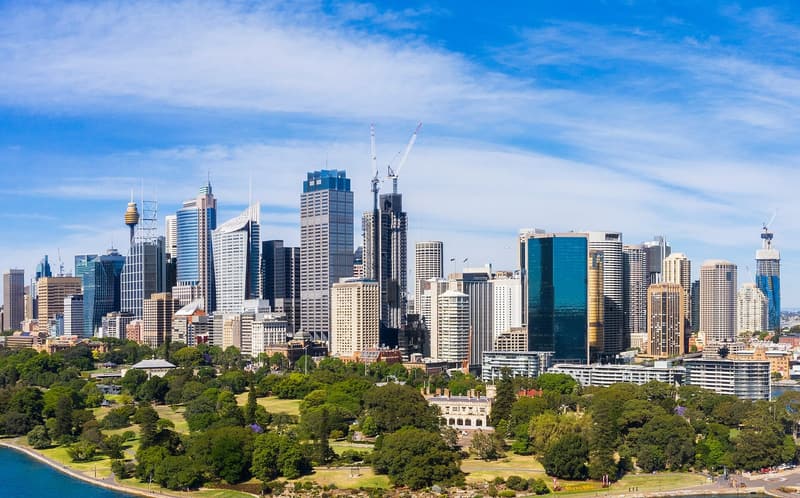
Representative photo · Photo: Drone Reviews / Wikimedia Commons, CC BY 2.0
Major economists predict a prolonged economic cooling for Australia as the central bank prepares for another interest rate hike amid rising inflation.
Australia’s economy is bracing for a sharper longer slowdown as the Reserve Bank of Australia (RBA) prepares for a fifth consecutive interest rate hike this Tuesday. Major bank economists warn that the central bank is being forced to maintain higher rates to combat persistent inflationary pressures, a move that could push the cash rate to its highest level since 2008 and potentially tip the nation into a recession.
Belinda Allen, head of Australian economics at CBA, noted that the combination of an extended conflict in the Middle East, declining house prices, and a more aggressive central bank will likely drive real GDP growth down to 1% by mid-2025. This is a significant downgrade from previous estimates of 1.8%. Allen explained that while she initially expected signs of recovery by the New Year, the economy is now bottoming out later and deeper than anticipated. A primary driver for this pessimism is the surge in global oil prices, with Brent crude rising from $US72 in July to over $US110 recently as hopes for a swift resolution to the Middle East conflict have faded.
Australia faces a sharper longer slowdown as the central bank prepares for another interest rate hike.
Economic Outlook and Unemployment Risks
Analysts at NAB have also issued major downgrades to their forecasts. Gareth Spence, NAB’s head of Australian economics, suggested that unemployment may need to rise higher than previously thought to bring inflation back under control. Spence projects that the jobless rate could climb from 4.7% to 5.4% by the end of next year. CBA remains slightly more optimistic, forecasting a peak in unemployment at 5.1%. Both institutions agree that the RBA’s goal of curbing inflation without sacrificing post-Covid employment gains is becoming increasingly difficult to achieve.
Furthermore, Australia’s property market is undergoing a significant correction. AMP chief economist Shane Oliver warned that home prices could fall by up to 15% before stabilizing late next year. With Sydney property values already down 10% from their peak, homeowners may reduce spending—a phenomenon described as the wealth effect—which further threatens economic stability. Oliver noted that while a recession is not his base case, the risk is rising and could reach 45% if the RBA proceeds with the expected rate hike.
Why it matters
The anticipated RBA decision signals a period of financial strain for Australian mortgage holders and businesses facing higher borrowing costs. This shift affects the broader economic landscape by potentially reducing consumer spending and slowing national growth for years to come.
For international observers, particularly those in India and South Asia, these developments highlight the volatility of global commodity prices, specifically oil. As Australia’s economy slows, it serves as a case study for how nations reliant on global trade must navigate the competing pressures of high inflation and the risk of recession in an uncertain geopolitical climate.
Sources
More like this

Ryanair considers staff pay freeze as fuel costs soar due to conflict
Bangladesh garment workers protest for higher wages amid industry disruption
Millions in UK brace for higher mortgage payments as interest rates set to rise