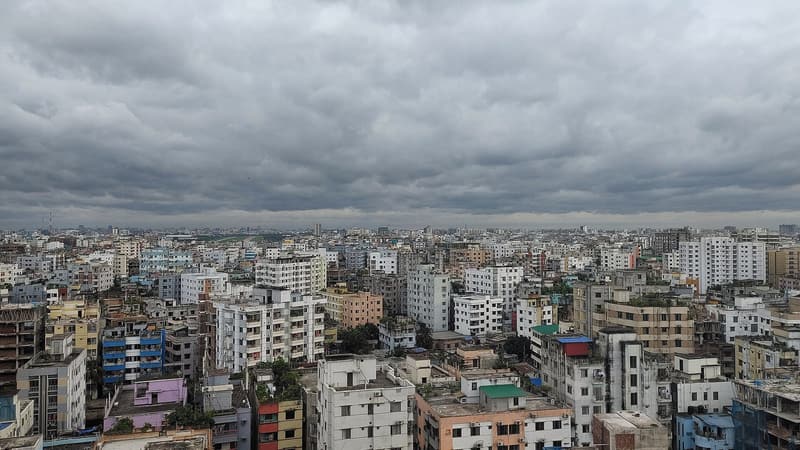
Bangladesh garment workers protest for higher wages amid industry disruption
Representative photo · Photo: Tarunno / Wikimedia Commons, CC BY-SA 4.0
Hundreds of factories have closed as workers demand a wage hike to combat rising living costs, sparking significant industrial unrest across Bangladesh.
Ongoing demonstrations have caused widespread disruption across the bangladesh garment industry as thousands of workers take to the streets for the third consecutive day. The unrest, centered in major industrial hubs including Savar, Ashulia, Gazipur, and the Mirpur area of Dhaka, has forced the temporary closure of approximately 500 factories since Saturday. Security forces have responded to the protests with tear gas and sound grenades to manage the crowds.
Bangladesh garment workers protest for fair pay
At the heart of the conflict is a demand for a significant increase in the minimum monthly wage. Workers are calling for a raise to 30,000 taka ($242), which would more than double the current rate of 12,500 taka ($101). Protesters argue that their current earnings are insufficient to cover the surging cost of living, asserting that they deserve a larger share of the $38 billion sector that serves as a pillar of the national economy.
Thousands of garment workers in Bangladesh are protesting for higher wages to combat rising living costs.
In response to the escalating situation, the government formed a new wage board on Sunday to review compensation standards. Prime Minister Tarique Rahman convened an emergency meeting with his cabinet and advisers to address the crisis. However, industry representatives remain concerned about the impact of the shutdowns. Mahmud Hasan Khan, president of the Bangladesh Garment Manufacturers and Exporters Association, urged workers to allow the review process to take its course, warning that factories might implement a "no work, no pay" policy if the disruptions continue.
Babul Akhter, general secretary of the Bangladesh Garment and Industrial Workers Federation, maintains that the industry must prioritize fair compensation. He argued that if factory owners face financial pressure, they should seek better pricing from international buyers rather than relying on underpaid labor. The sector currently faces a complex environment characterized by high operational costs, energy market uncertainty, and slowing global demand.
Why it matters
The unrest highlights the fragility of a massive export sector that competes directly with manufacturers in India, Vietnam, and Cambodia. For workers, the protests represent a struggle for survival against inflation, while for factory owners, the situation threatens the stability of a key national revenue source.
This dispute impacts the global supply chain, as international buyers look to Bangladesh as a primary production hub. The outcome of the wage board review will determine whether the industry can maintain its competitive edge while addressing the basic needs of its workforce.
Sources
More like this

Ryanair considers staff pay freeze as fuel costs soar due to conflict
Australia Faces Sharper Longer Slowdown As Fifth Interest Rate Hike Looms

Millions in UK brace for higher mortgage payments as interest rates set to rise