Israel's Opposition Bloc Faces Internal Divisions Amid Netanyahu's Maneuvering
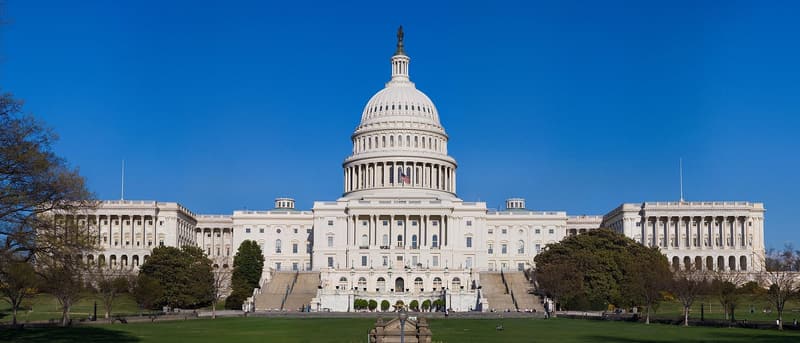
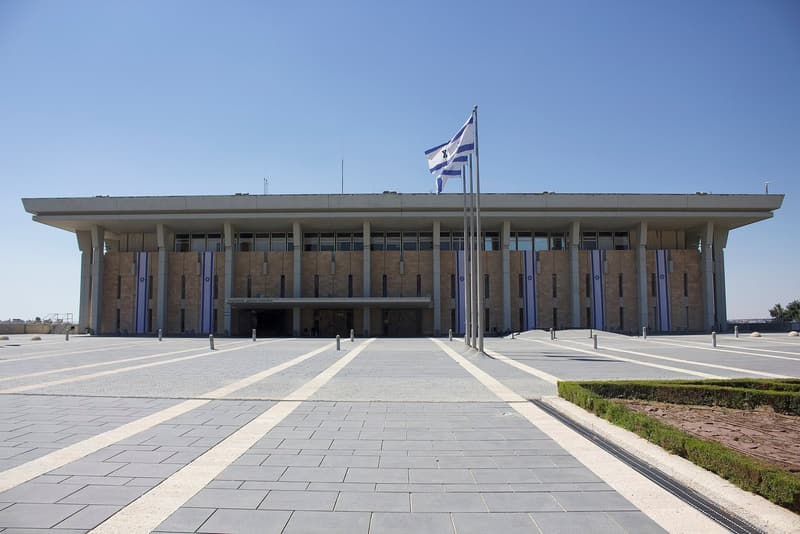
Representative photo · Photo: Clema12 / Wikimedia Commons, CC BY-SA 4.0
As the deadline for government formation approaches, Israel's opposition alliance struggles to maintain unity against Benjamin Netanyahu's efforts to fracture the bloc.
As negotiations for Israel’s next government reach a critical stage, observers often wonder if Israel can defeat Iran or other regional rivals, but currently, the focus is on whether the opposition can defeat Benjamin Netanyahu. With a December 6 deadline looming, the caretaker Prime Minister is actively testing the stability of the 'change' alliance seeking to remove him from power.
Recent tensions spiked following an undeclared two-hour meeting between Netanyahu and former Prime Minister Naftali Bennett. While Netanyahu’s office labeled the encounter a security briefing, opposition figures led by Gadi Eisenkot viewed it as a strategic disaster. Reports suggest Bennett, a right-wing politician with a history of serving under Netanyahu, proposed exploring a unity government with the Prime Minister, despite previous pledges to never join his coalition again.
The fragile opposition alliance faces internal ideological fractures that threaten its ability to form a government.
Ideological Hurdles and Political Maneuvering
The opposition bloc is a collection of diverse political interests, ranging from the hard-right policies of Avigdor Lieberman to the left-wing platform of Yair Golan. This ideological spectrum complicates efforts to reach a consensus. While members were largely united in their initial support for the war in Gaza, they remain deeply divided on domestic issues, including the role of religion in politics and the conscription of ultra-Orthodox men.
Eisenkot, the former military Chief of Staff, currently leads a bloc holding 48 of the 120 parliamentary seats. To form a government, he must secure an additional 13 seats, a task made harder by the refusal of several allies to consider support from parties representing Palestinian citizens of Israel. While Golan has expressed openness to such a partnership, the proposal has triggered significant backlash, with some right-wing protesters even warning of civil unrest.
Meanwhile, Lieberman, who previously served as Netanyahu’s foreign and defense minister, has shown signs of softening his stance on military conscription exemptions for the ultra-Orthodox. This shift is seen as a potential pathway to securing the 13 seats held by Shas and United Torah Judaism, though it risks alienating his base and violating his own campaign promises.
Why it matters
The inability of the opposition to maintain a unified front directly impacts Israel's political stability and its capacity to form a functional administration. For observers in India and South Asia, this ongoing uncertainty highlights the volatile nature of Middle Eastern geopolitics, where shifting alliances can rapidly alter regional security dynamics and diplomatic trajectories.
Sources
More like this

Victorian Greens seek court injunction against independent candidate's voting cards

ANC Fights to Keep Control of South Africa Key Cities After Election Setback
Trump Turns White House Press Conference Into Succession Audition