Charity Seeks Funds to Boost Bird and Bee Populations on Farmland
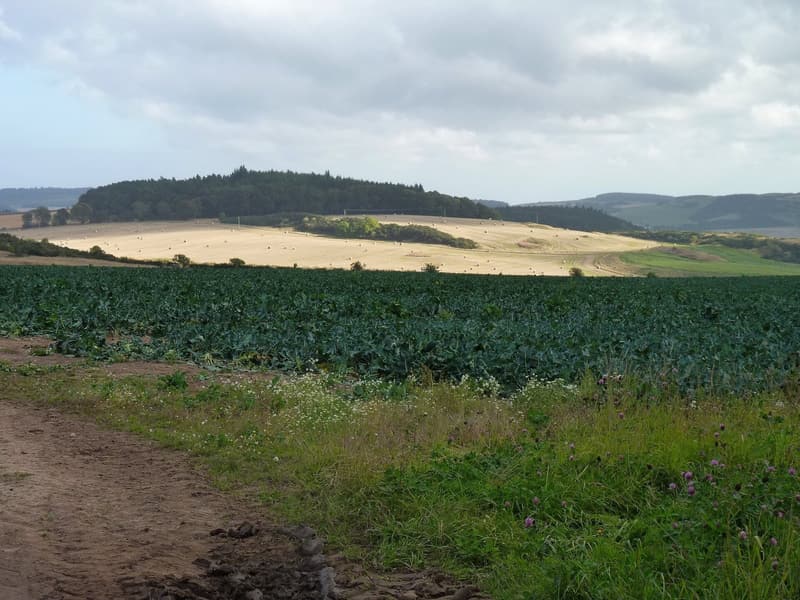
Representative photo · Photo: James Allan / Wikimedia Commons, CC BY-SA 2.0
A regional wildlife trust in the UK has launched a funding drive to increase falling numbers of birds, bees, and butterflies across agricultural land.
A conservation organization is attempting to gather £70,000 to fund an initiative designed to enhance wildlife numbers on agricultural land situated in the Thames Valley. The Berkshire, Buckinghamshire and Oxfordshire Wildlife Trust explained that the raised capital will become a component of its Nature Recovery Fund, addressing steep declines among local avian, bee, and butterfly populations.
According to the trust, populations of farmland birds have dropped by nearly two-thirds since 1970. Furthermore, data indicates that half of the 27 distinct bumblebee species found across the United Kingdom are currently experiencing downward trends. To combat these declines, proposed agricultural adjustments involve reducing chemical applications to foster healthier soil conditions and decrease waterway pollution, alongside designating specific grassland corners exclusively for local fauna.
Estelle Bailey, the chief executive of the organization, emphasized the scale of the agricultural landscape. She noted that because farming covers the vast majority of the three specified counties, effective conservation work must extend well beyond protected nature reserves. Government agencies, universities, and environmental organizations previously highlighted similar concerns in a 2023 evaluation, which reported that one out of every six UK species faces the threat of extinction.
Farmland covers most of the region, so conservation efforts must extend beyond protected nature reserves.
Bailey also expressed a vision for future generations to experience a lively countryside filled with active wildlife, such as swallows moving swiftly above crops, pollinators interacting with wildflowers, and resilient local food networks supporting the surrounding ecosystem.
Protecting Farmland Wildlife
Why it matters
The initiative addresses broad ecological declines by targeting agricultural management practices across three English counties. While the project focuses specifically on local habitats in the Thames Valley, it reflects wider international concerns regarding biodiversity loss on working lands, illustrating how regional fundraising and modified farming techniques can influence broader environmental health.
Sources
More like this

Recycling firms use technology to turn waste fabric into tomorrow's fashion

Smog Delhi: Diwali Firecrackers Deepen Air Crisis

Turkiye Pushes Electrification at COP31 Amid Global Fossil Fuel Pressures