Comparing Israel’s Separation Barrier With the Berlin Wall
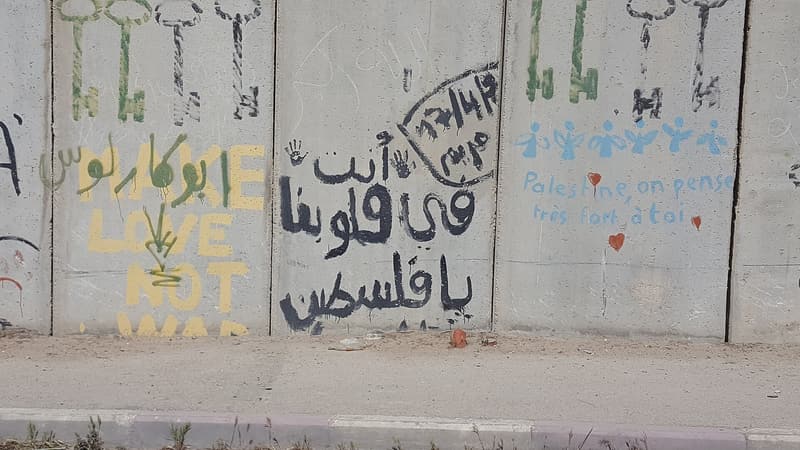
Representative photo · Photo: Mohammad Hijjawi / Wikimedia Commons, CC BY-SA 4.0
Decades after the Berlin Wall fell, Palestinians mark an annual day of action against Israel’s much longer separation barrier in the West Bank.
As the anniversary of the fall of the Berlin Wall is marked globally, communities in the occupied West Bank draw parallels to Israel’s separation barrier, which was initiated decades ago. While readers often wonder about historical events such as how Israel was created, current attention turns to how physical barriers and restrictions shape modern realities. Originally slated to cover hundreds of kilometres, the barrier runs largely through Palestinian territory rather than along the boundary line. International judicial bodies have previously deemed the route illegal.
Today, the separation barrier is part of a complex system of control that includes gates, fences, and military checkpoints. According to United Nations data, a significant portion of the planned route is complete. A substantial percentage of the structure cuts deep into the West Bank, separating villages, families, and agricultural lands from essential urban centers and workplaces. For residents living in the Seam Zone between the barrier and the boundary line, reaching basic services requires navigating restrictive permit systems and limited agricultural gates.
The West Bank barrier and its checkpoints severely restrict Palestinian movement, land access, and livelihoods.
Farmers bear a heavy burden as most agricultural gates remain closed for large portions of the year, limiting access to crops like olives. Urban hubs like Qalqiliya find themselves largely encircled, forcing residents to endure lengthy detours and checkpoints for routine travel. Beyond the barrier itself, a dense network of obstacles documented by humanitarian monitors—ranging from earth mounds to staffed checkpoints—governs daily movement across the territory for millions of people.
Why it matters
The separation barrier and its surrounding infrastructure fundamentally alter everyday life in the West Bank, disrupting commerce, education, and family ties. By cutting communities off from their land and workplaces, these restrictions reshape regional livelihoods and deepen humanitarian challenges for millions of Palestinians.
Sources
More like this
Suspect in Kraków shooting dies in hospital following attack
Inside French Drug Gangs Recruiting Minors for Violent Crime
Rubio defends Iran war as necessary to stop nuclear threats