Smog Delhi: Diwali Firecrackers Deepen Air Crisis
Illustration: NexVani Media
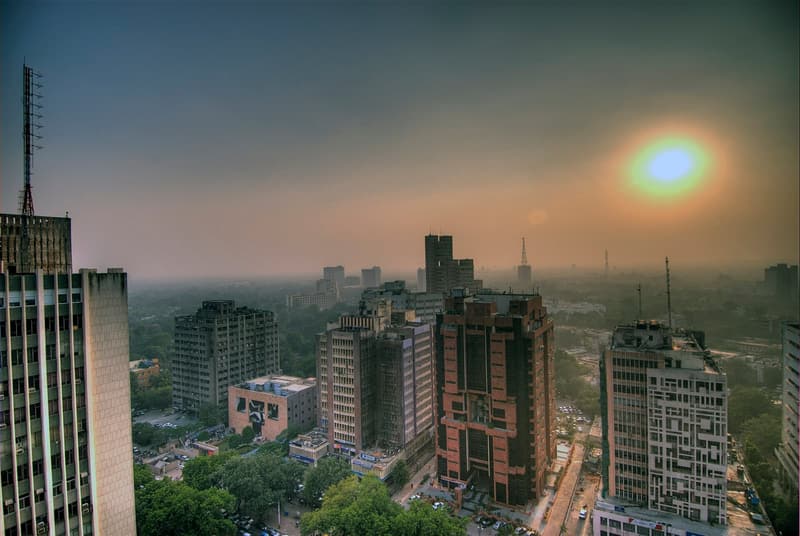
Thick smog has enveloped New Delhi after residents used firecrackers during Diwali, pushing air quality to severe levels despite ongoing restrictions.
Heavy atmospheric haze has blanketed New Delhi following celebrations for the Hindu festival of lights, exacerbating an ongoing seasonal pollution crisis in the Indian capital. Diwali took place on Sunday, and residents across the metropolis lit firecrackers through the evening hours despite official prohibitions. This activity released dense smoke and fine particulate matter into the surrounding atmosphere, leading to severe environmental conditions that are currently affecting millions of people who deal with smog delhi on a daily basis.
Data gathered by air monitoring stations showed that the Air Quality Index surpassed 350 across multiple sectors of the capital on Monday morning. The World Health Organization classifies this concentration as severe, noting that it introduces substantial health hazards that exceed recommended exposure limits. Days prior to the holiday, toxicity levels had already surged past thirty times the organization's daily threshold.
Authorities had previously attempted to curtail the annual spike in pollution. Last month, the Supreme Court introduced mandates permitting solely approved green firecrackers within designated three-hour time slots on Saturday and Sunday. Although these alternative pyrotechnics generate reduced emissions compared to traditional variants, they remain capable of polluting the air.
## Factors Worsening Winter Air Pollution
Geographic and seasonal elements consistently worsen the situation in the region. New Delhi accommodates thirty million inhabitants and frequently ranks near the top of the list for most polluted capital cities globally. The crisis intensifies during the winter months because lower temperatures, diminished wind speeds, and atmospheric stagnation trap pollutants near the surface.
Government figures indicate that motor vehicles are responsible for twenty-three percent of winter pollution in the city. Meanwhile, biomass burning, which includes agricultural stubble fires, accounts for an additional twenty percent of the total load. The combination of these sources creates a persistent haze that remains suspended over the capital and nearby districts across multiple days.
Heavy smog has enveloped New Delhi after Diwali firecrackers pushed air quality into severe categories.
Why it matters
The deterioration of air quality to severe categories poses acute health threats for the thirty million residents living in the capital region. Stagnant winter conditions ensure that hazardous particulate matter lingers, impacting public health and amplifying seasonal pollution challenges across South Asia.
Sources
More like this

Turkiye Pushes Electrification at COP31 Amid Global Fossil Fuel Pressures
New Delhi Blanketed in Thick Smog Following Diwali Celebrations
Signs of Recovery for Britain's Hazel Dormouse Population